In The Making

In The Making / Group exhibition

opening: 13/02/2026   closing: 20/03/2026

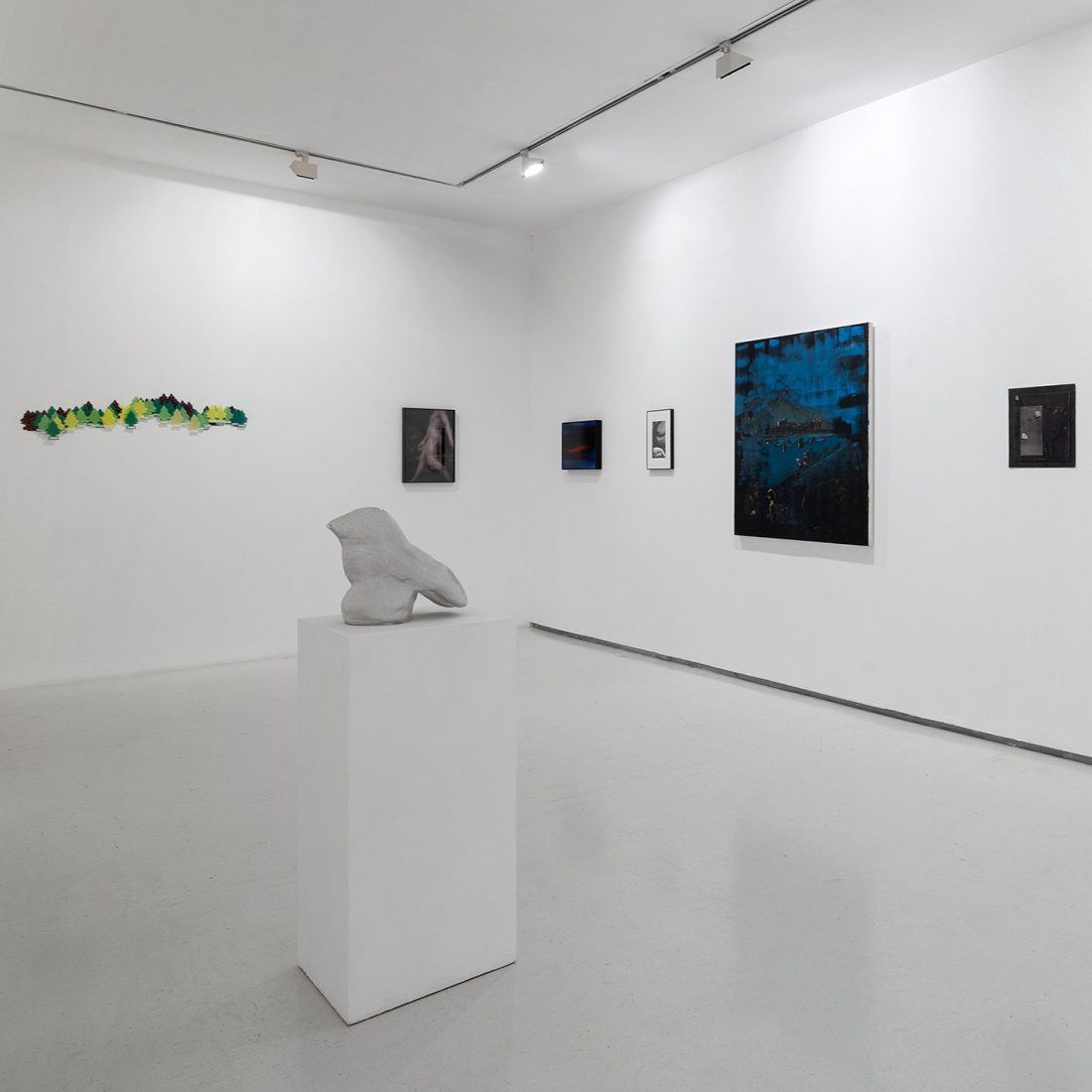
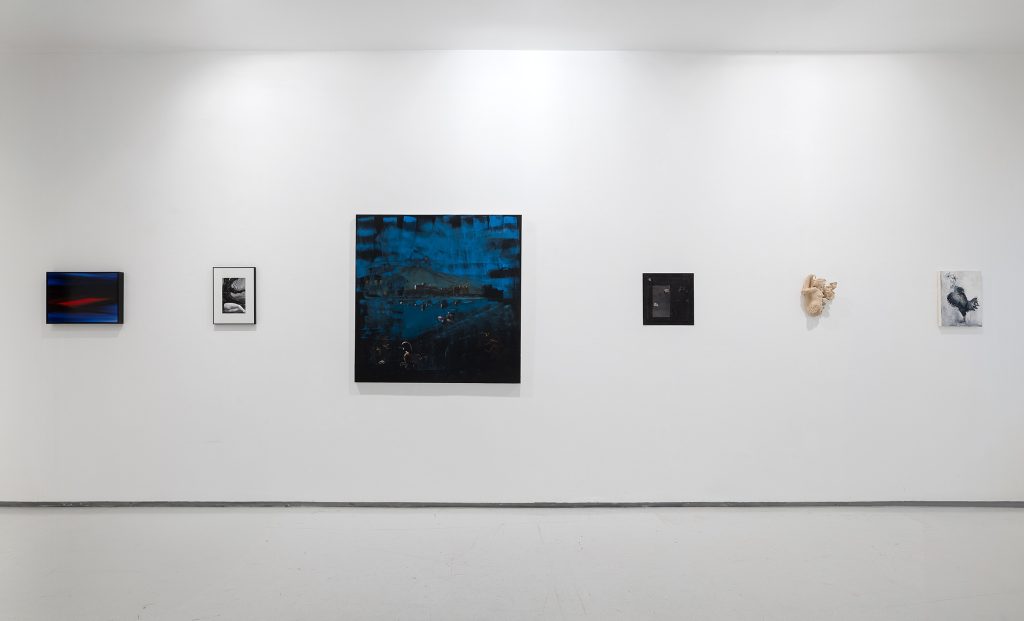
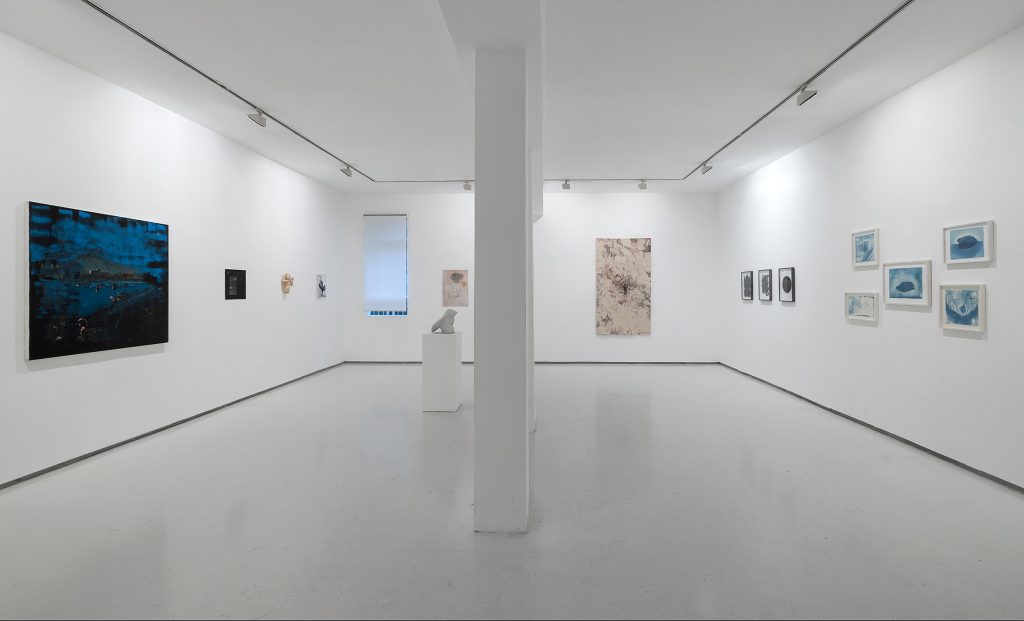
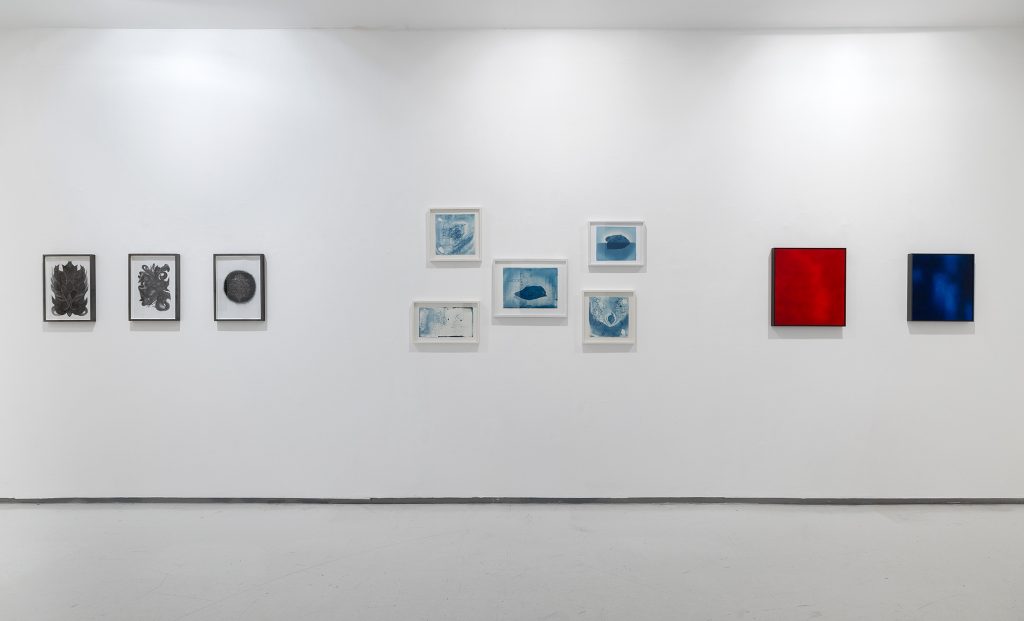
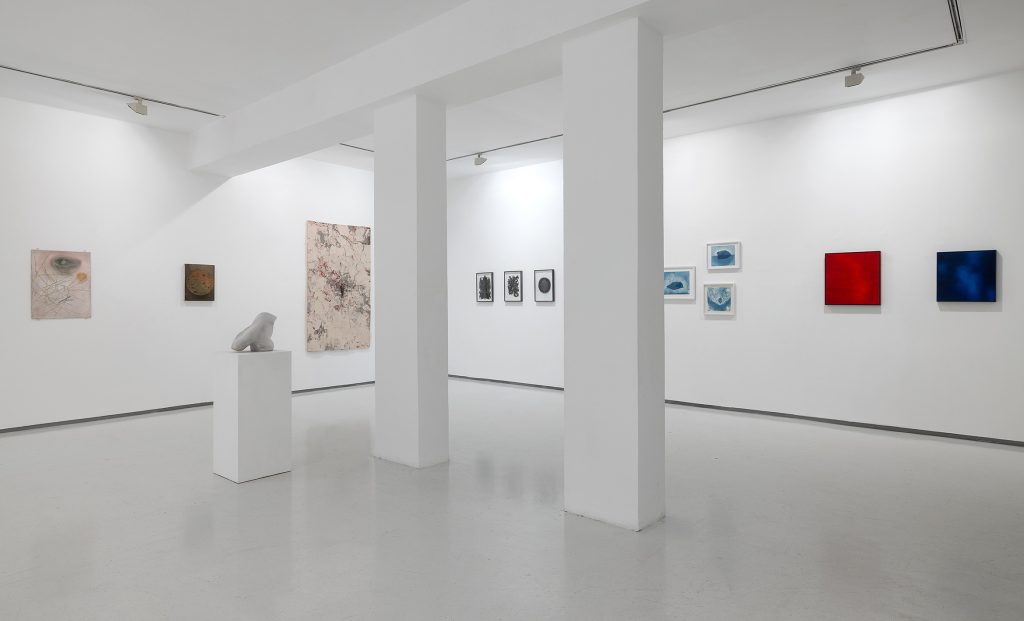
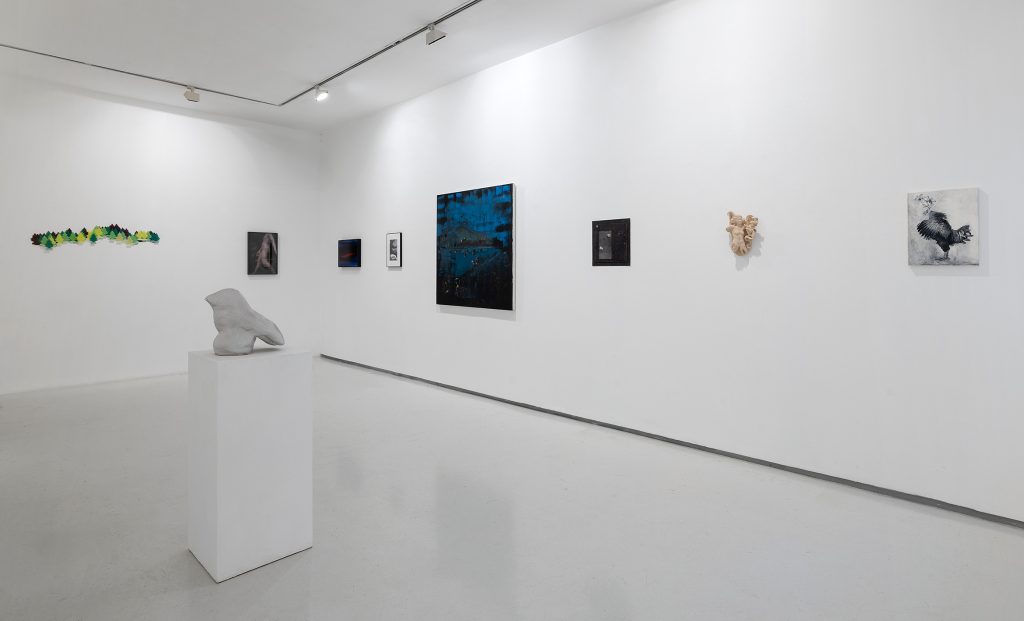
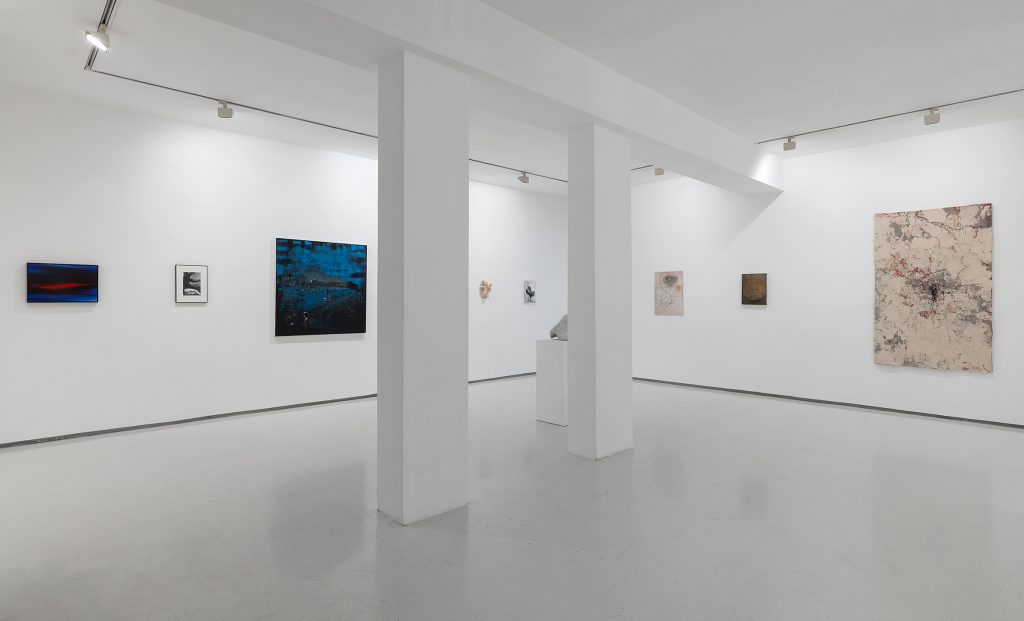
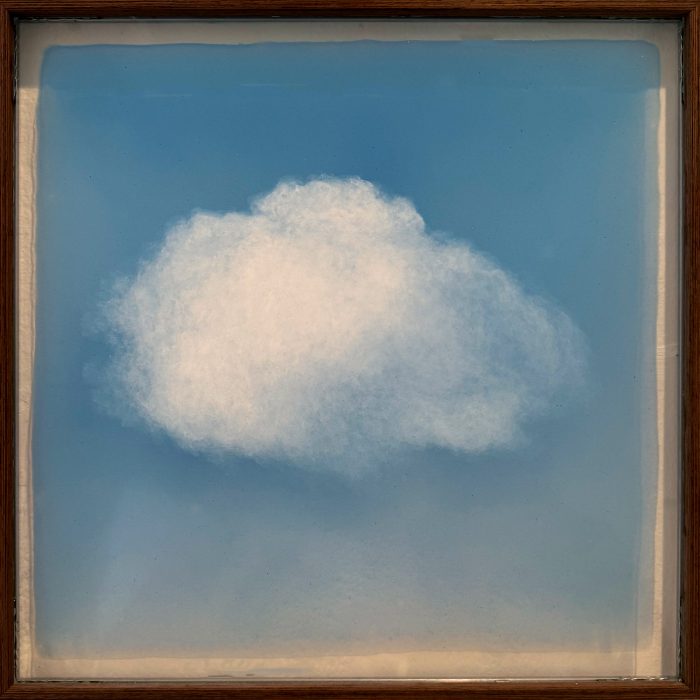
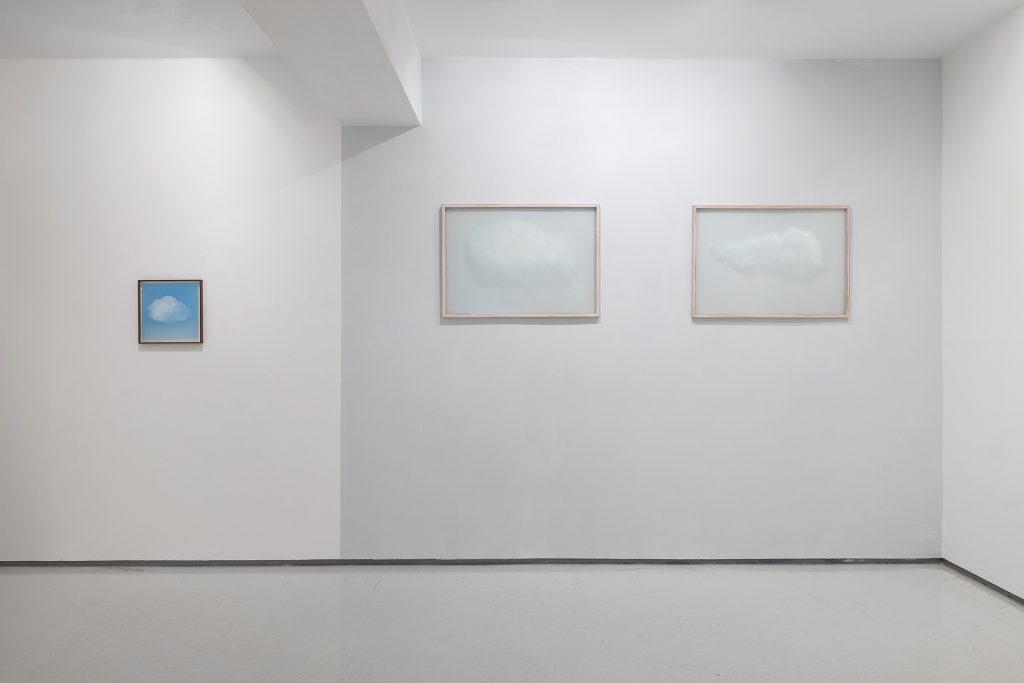
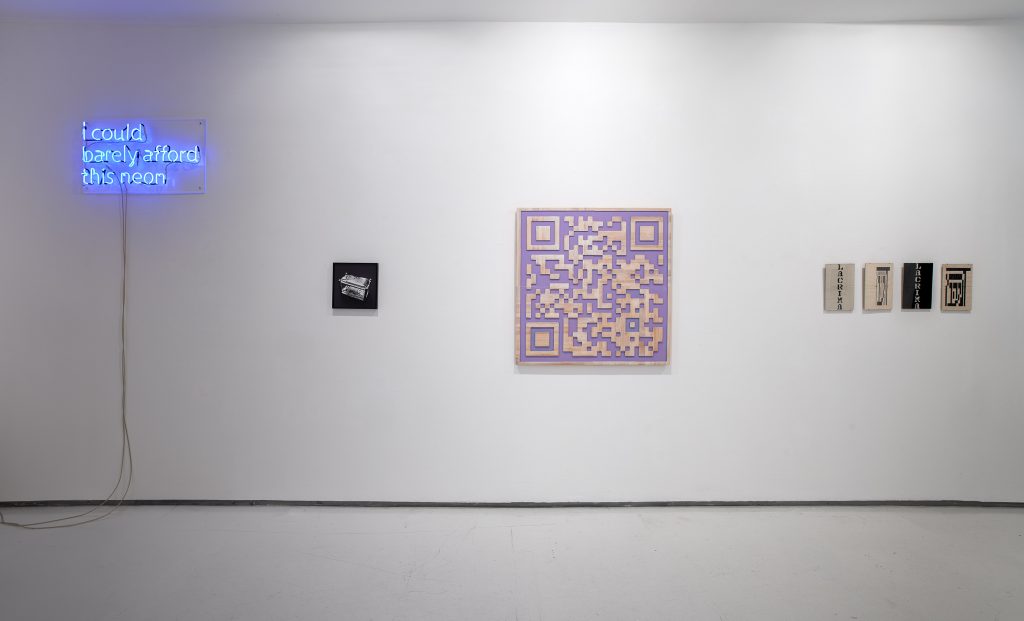
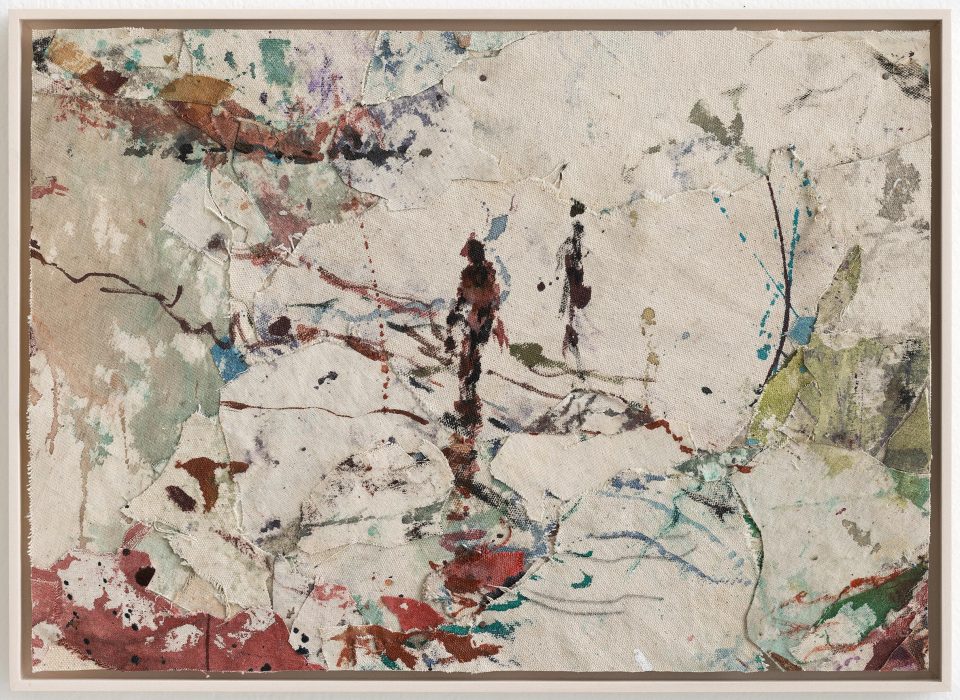
Shahar Yahalom, stone (detail), cyanotype on paper, 30x30cm, 2024
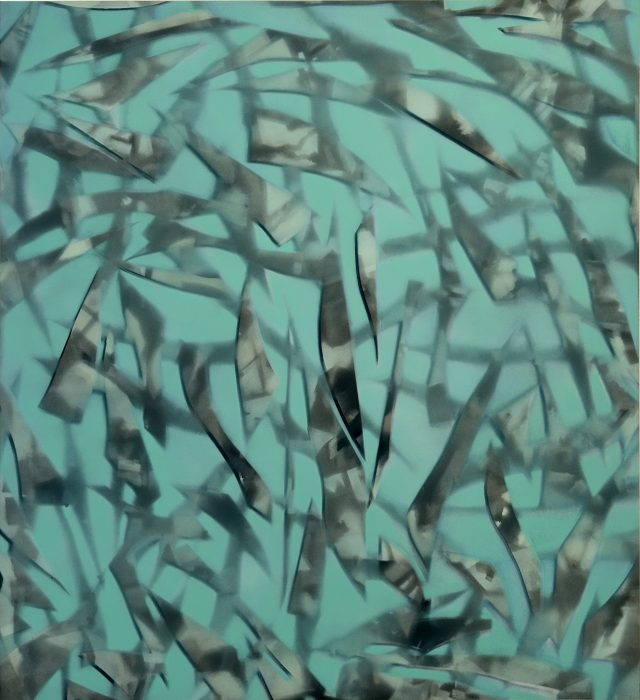
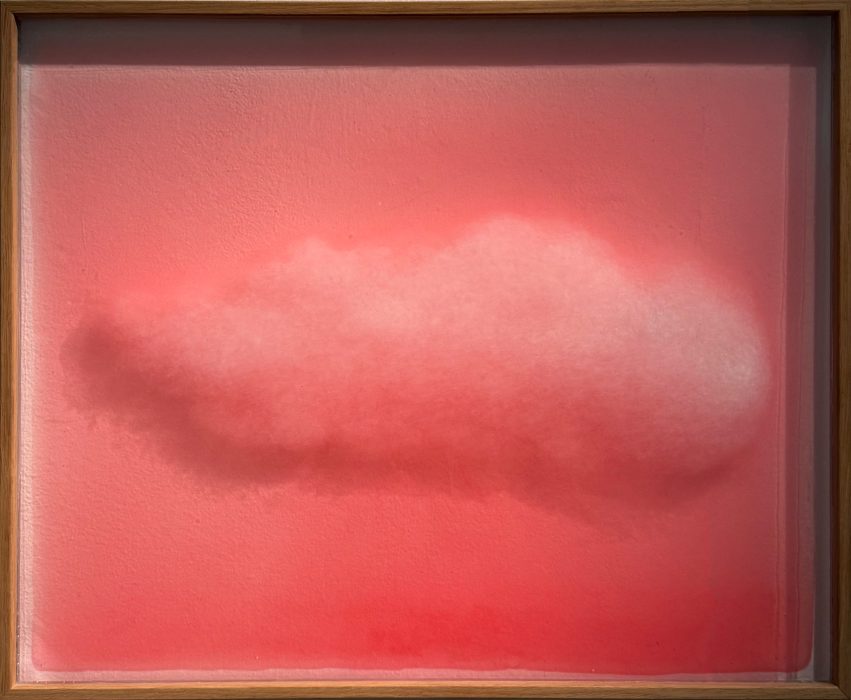
Hadas Hassid, Untitled (blue), oil on paper, 58x57 cm, 2025
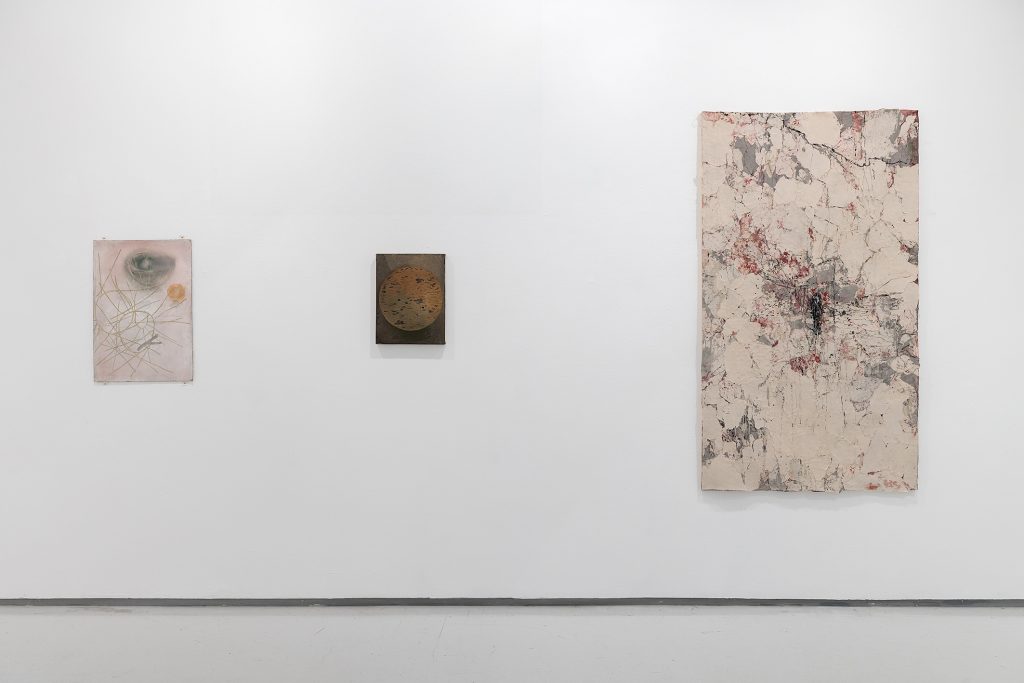
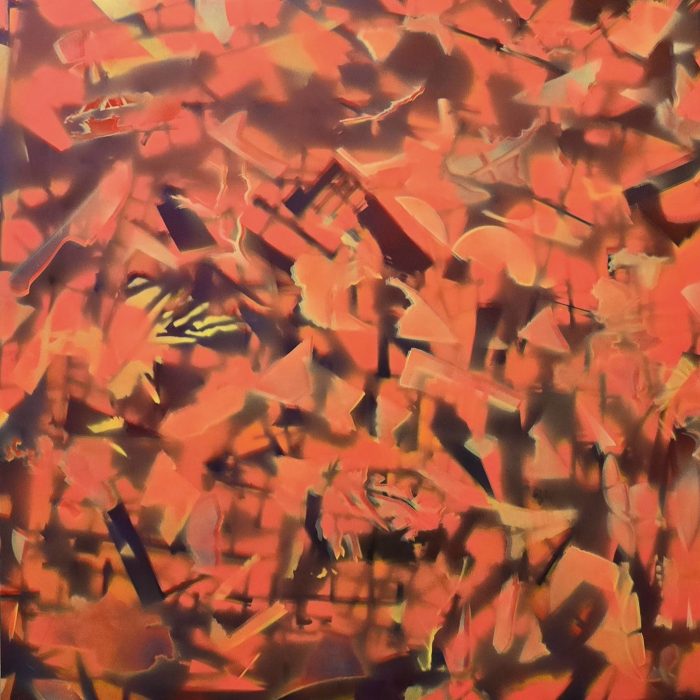
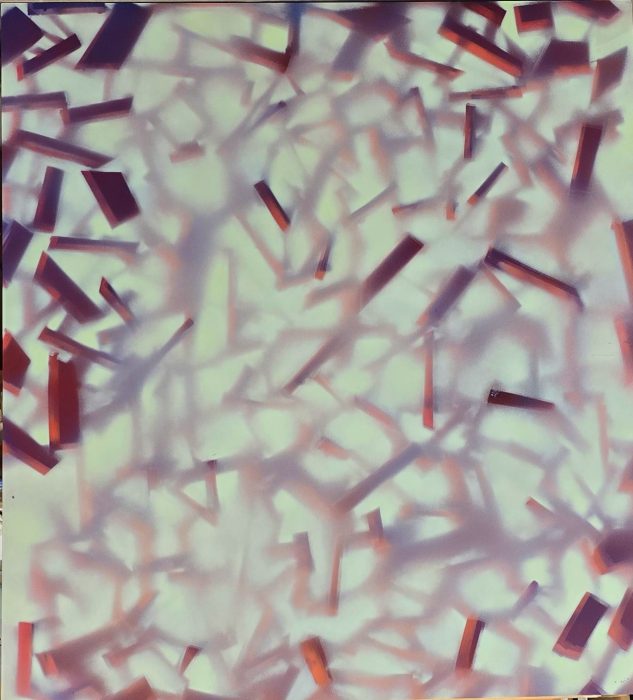
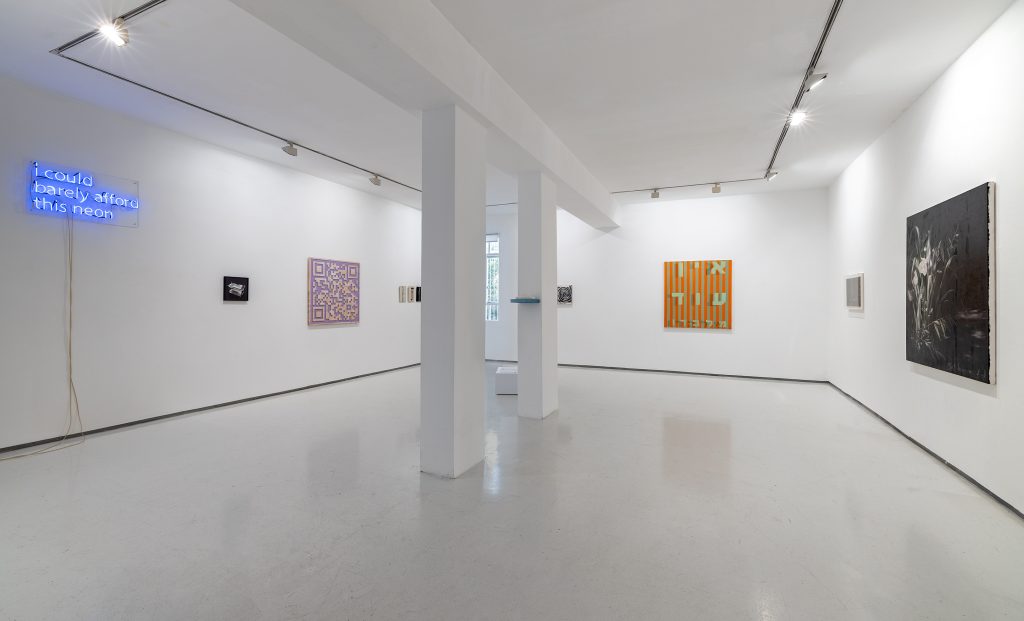
Eti Jacobi Lelior, Untitled, Acrylic on canvas, 120x120 cm, 2025
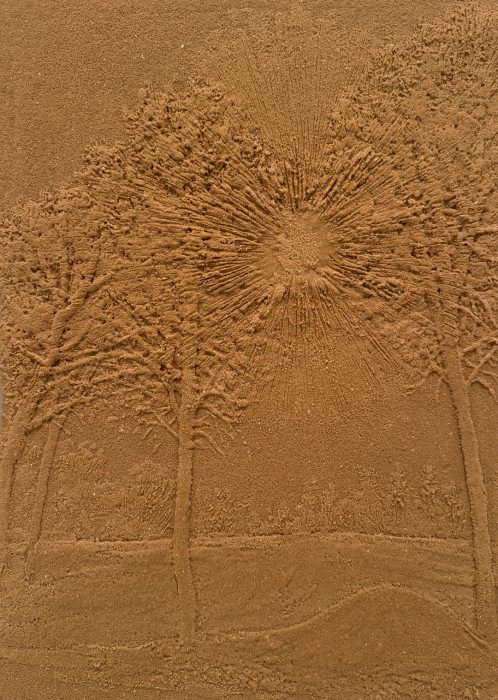
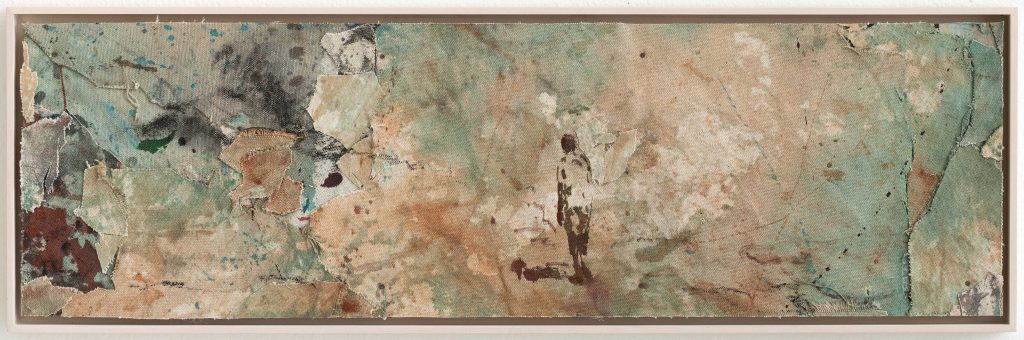
Talia Keinan, Broken Cage, mixed media, 70x49 cm, 2025
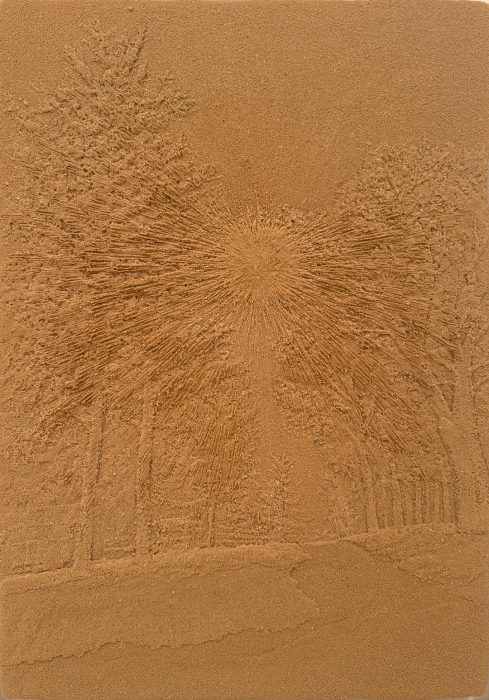
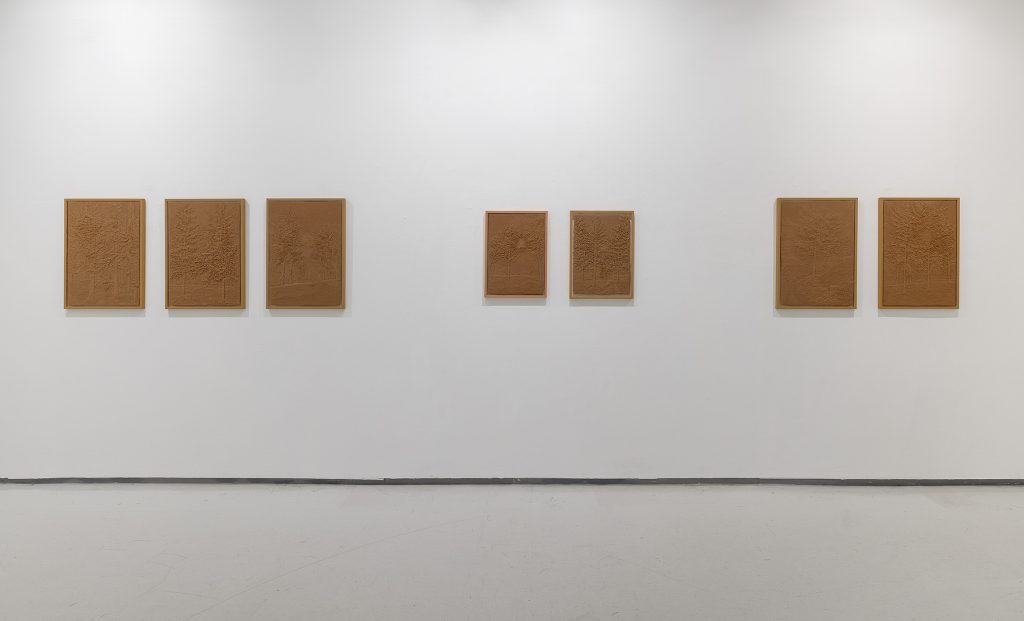
Yakira Ament,  Emanations, Charcoal on cotton paper, 42x30 cm, 2023

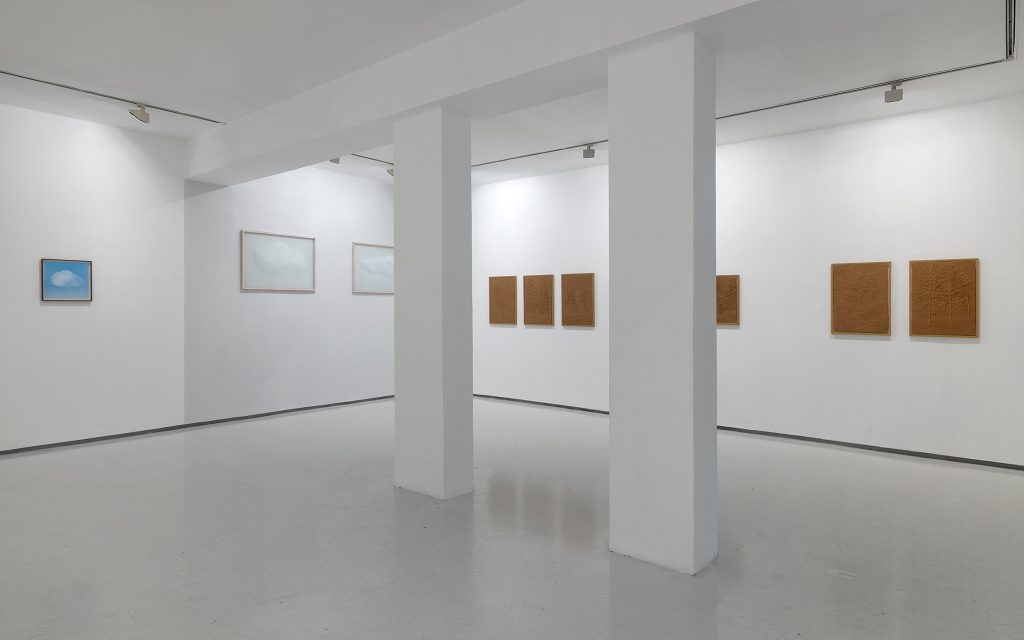
Yakira Ament • Tal Amitai Lavi • Lea Avital
Anat Betzer • Hadas Hassid • Eti Jacobi Lelior
Mosh Kashi • Talia Keinan • Orly Maiberg • Shahar Yahalom
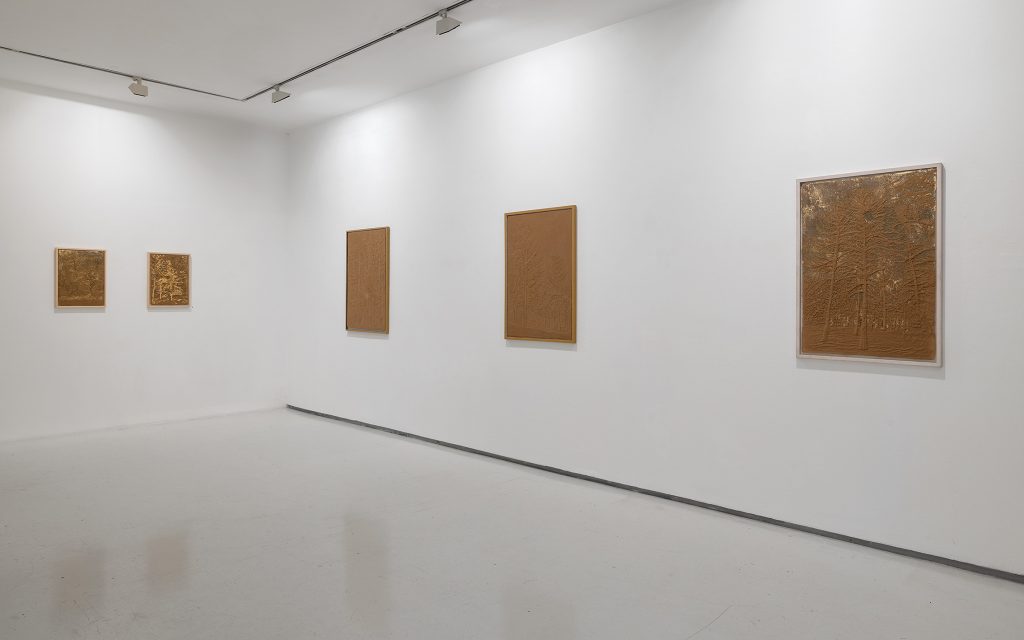
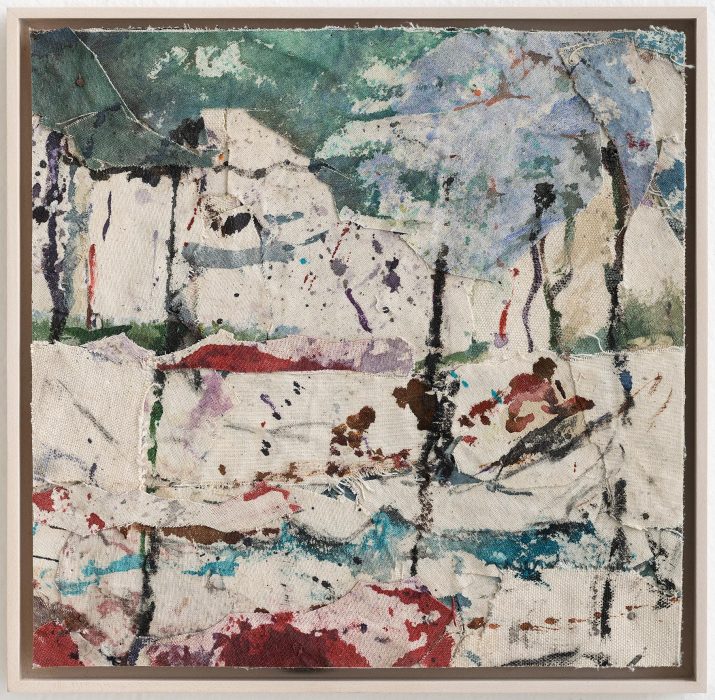
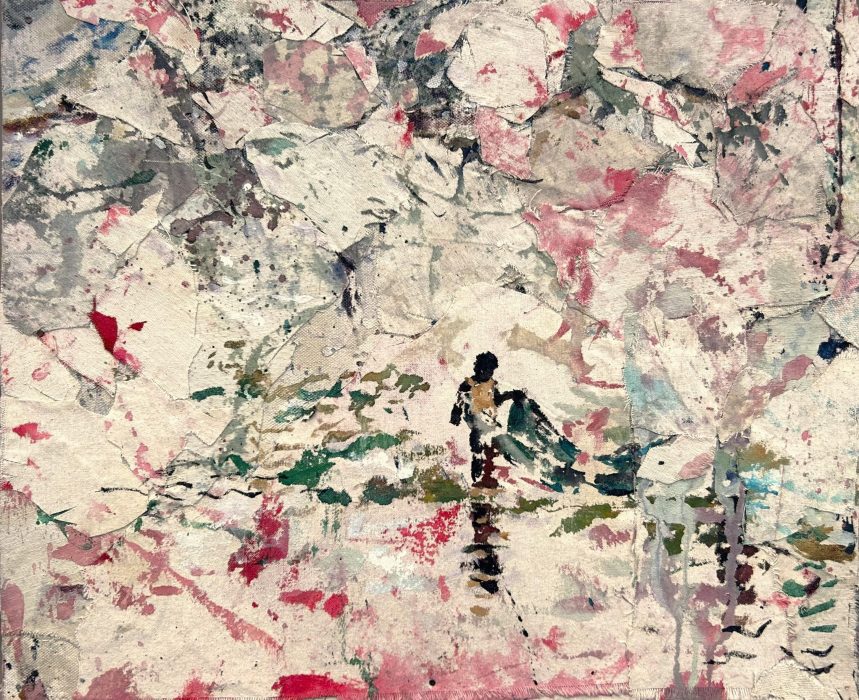
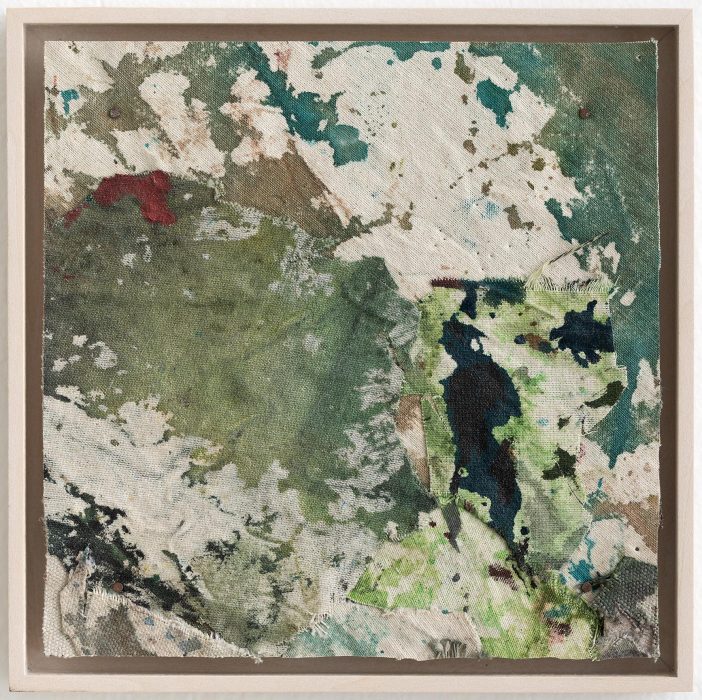
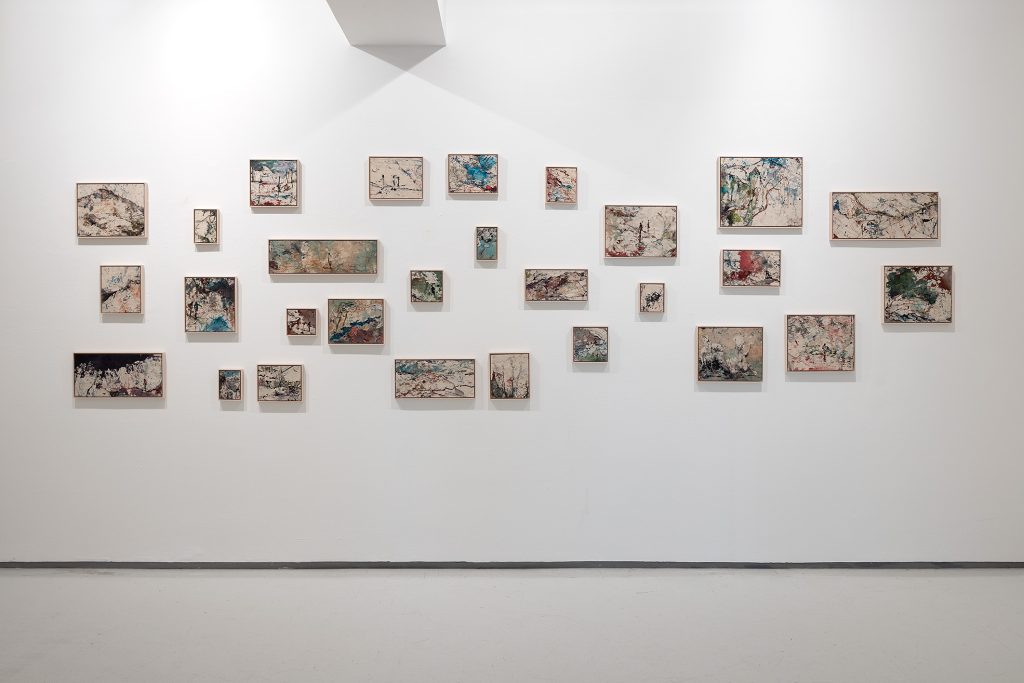
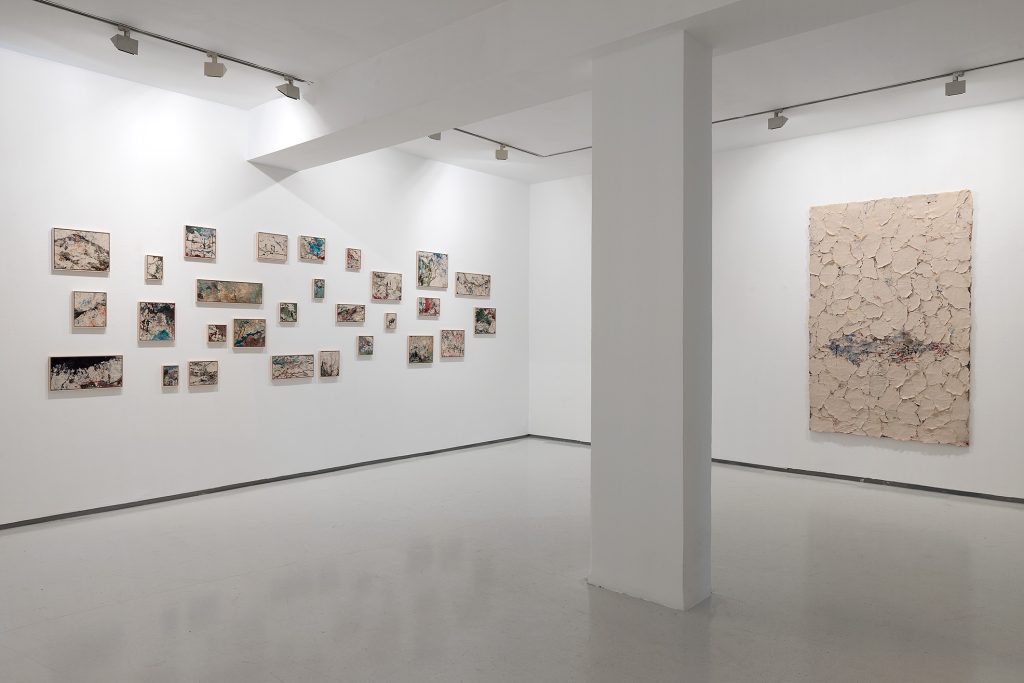
The exhibition In the Making approaches the present as an ongoing act shaped through the process of making itself – a space in which process takes precedence over conclusion, and meaning emerges from what is being made.

Wind

wind / anat betzer

opening: 12/12/2025   closing: 31/01/2026

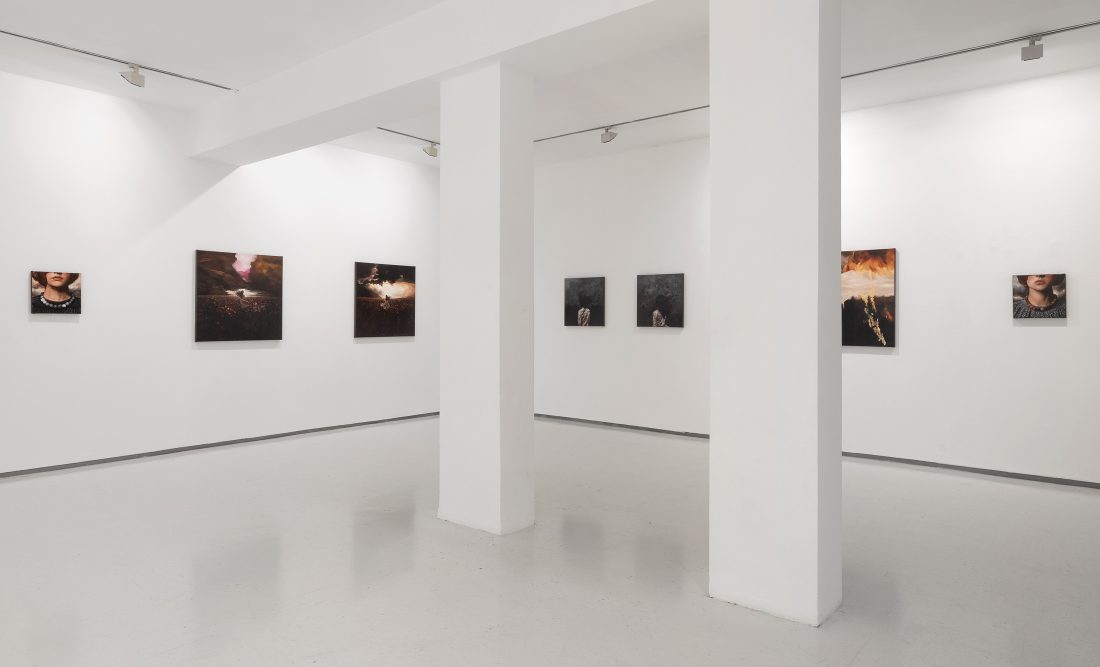
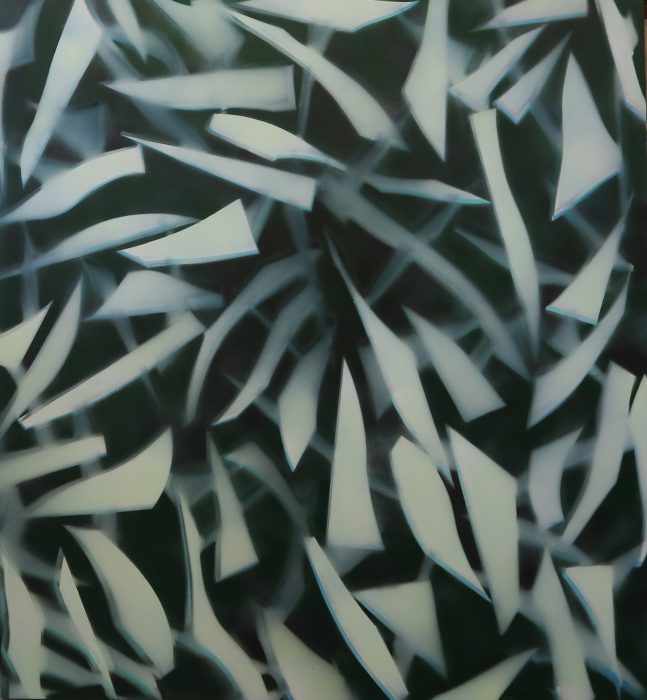
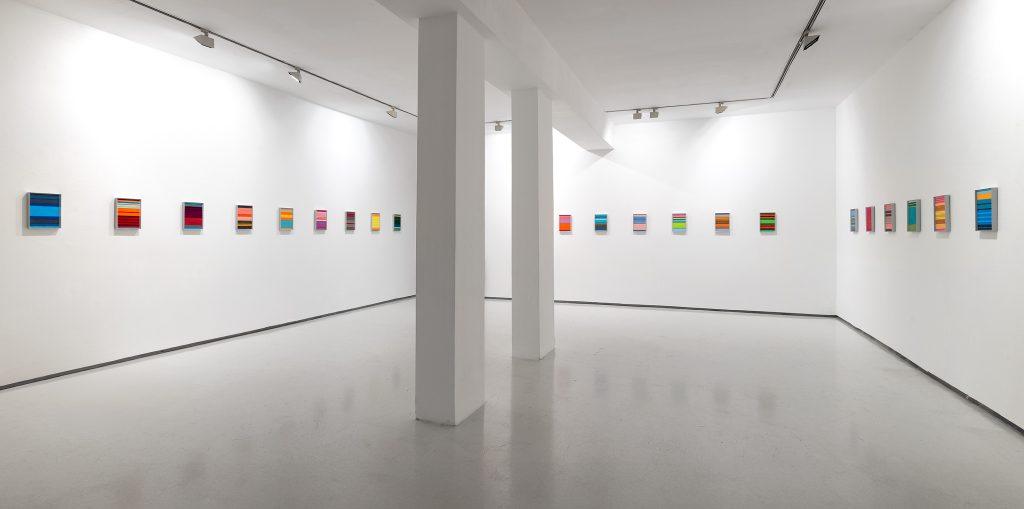
Untitled #11 (Wind), Oil on canvas, 60 × 60 cm, 2025
Untitled #14 (Wind), Oil on canvas, 90 × 90 cm, 2025
Untitled #3 (Wind), Oil on canvas, 30 × 30 cm, 2025
Untitled #15 (Wind) Oil on canvas, 90 × 90 cm, 2025
Untitled #5 (Wind), Oil on canvas, 35 × 35 cm, 2025
exhibition view by elad sarig

Through the frozen language of painting, Anat Betzer is grasping on the attempt to depict structures of movement, of the indescribable: wind, clouds in the sky, vapor, like fire, like water. It is almost a heroic effort to cross into the transcendental dimension of the eternal hunting fields, into a place about which nothing more can be said. With a slow, meticulous, and highly detailed painting motion, Betzer depicts the figure of a woman turning her back, a woman in the stabbing heart, growing, swirling in every direction. It is a beauty that seeks to hold the dynamic, that will vanish in another moment, that will be though as it never was, merging into the movement of transformation within an infinite nature, becoming other in a light moment.


The concealment of the face appears in this series in a slightly different manner than in Betzer’s previous series (Back Mind, Noga Gallery, 2023), in which the woman’s hair was tied, braided, and held in place. Here, it exists also as body, as a garment, as Lot’s wife stepping (escaping) there, her face turned toward a wild background, like the flight of her hair echoing in the clouds. This is a woman who seeks to dissolve into the great skies, who wishes to merge with the chaos of the clouds – or perhaps, one who’s fleeing from the terror of the reality outside the painting.
 

This is an operatic visual drama, in which – as in Munch’s paintings – the figure reverberates in the distant landscape. It is an audiovisual frequency in which the far outside emerges from the inside, always, always. “The Scream” spreads across the painting, across the space of the world, in waves upon waves.


In Betzer’s paintings, the delicate relationship between the tiny and close and the vast and monumental is always present. Her paintings are meditative resonances of this relationship – perhaps a version of the silent scream of the world’s sorrow.


In the exhibition, there are also three small works in which the absent faces face forward with an eyeless, blank expression. With their backs turned to the stormy landscape, young women seemingly gaze ahead, their faces cut and shadowed, their hair tied, necklaces on their necks. What does this turn mean? What is the meaning of this seemingly reversed motion?


The necklaces, like strings of candy, may suggest a new rhythm, another taste, a different time. These are the same women, always alone, maybe before, maybe after. The vulnerability that characterizes the woman seen from behind is replaced here by the force of directness – like the force of nature (the clouds) surrounding her. These silent portraits are the counterpoint to the grand and awe-striking exterior paintings of landscapes and skies, functioning within the gallery space as a static anchor, a key or stabilizing footnote, a kind of frozen weight, a still life that is both point of departure and point of return to the still-living.


This is the silenced place of sober awareness: here is the boundary – the inherent limitations of the medium of painting since forever: flatness, stillness, the non- movement in time, the historical challenge or struggle of the medium that had never fulfilled its own death – how to set an event in motion, to propose a visual stillness that nevertheless holds an event within and against the restricting lines.


She walks away, she stands before the rye field, I no longer see her face, it is turned toward the field, and then I see it again, unchanged. She gazed at the setting sun, at the rye field in flames.

Marguerite Duras, The Ravishing of Lol V. Stein


“Unlike ideology, paintings say nothing. They only strive toward truth,” said Gerhard Richter, whose cloud paintings also crashed upon this rock of paradox, striving to capture the mutable, to discipline, to weave what exists into a chain of logic, or knowledge.


Anat Betzer dwells within this place, carving pearls of beauty and mystery from painting to painting in a sisyphean struggle toward the impossible, one that slips through the fingers, that stands before us as an enigma, as magic.

Something Befell

something befell / yitzhak livneh

opening: 24/10/2025   closing: 07/12/2025

Yitzhak Livneh, Little Window, 2025 Synthetic color on dibond, 120 × 110 cm
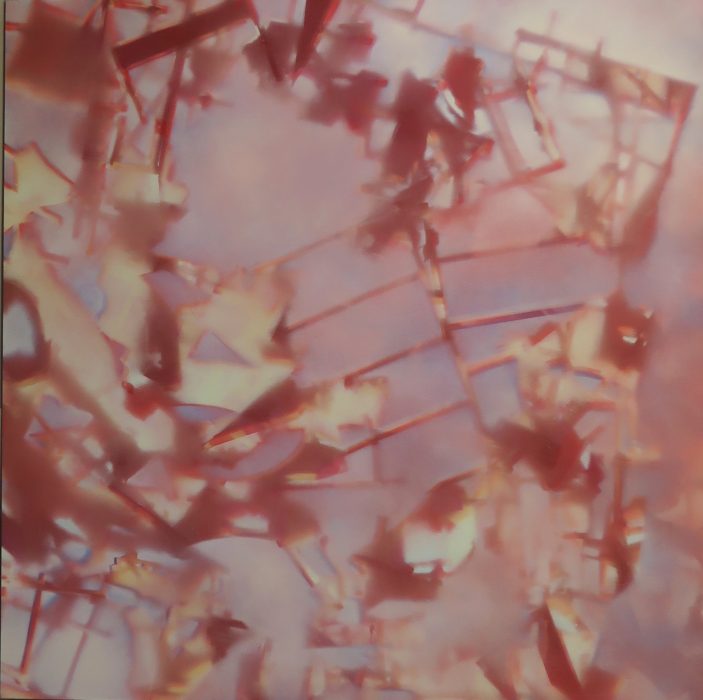
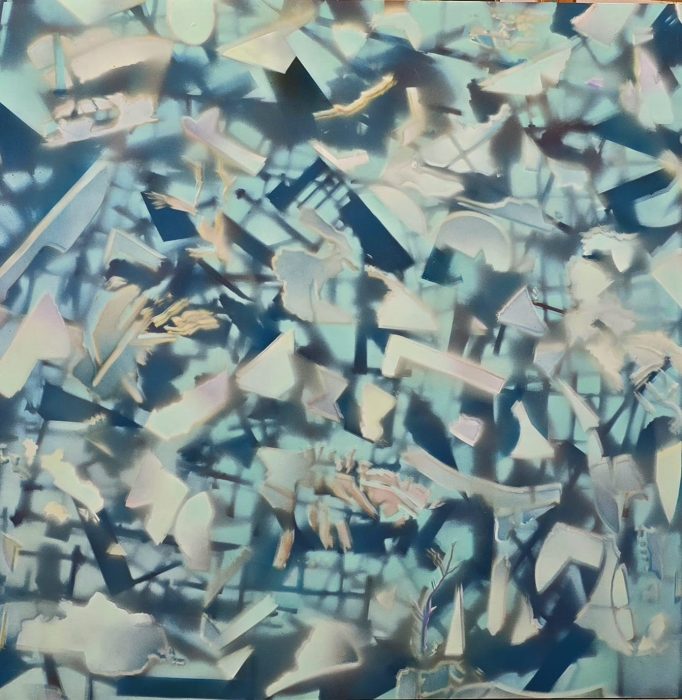
Yitzhak Livneh, Barocco, 2025 Synthetic color on dibond 110 × 110 cm
 Yitzhak Livneh, Knife, 2025 Synthetic color on dibond, 122 × 122 cm
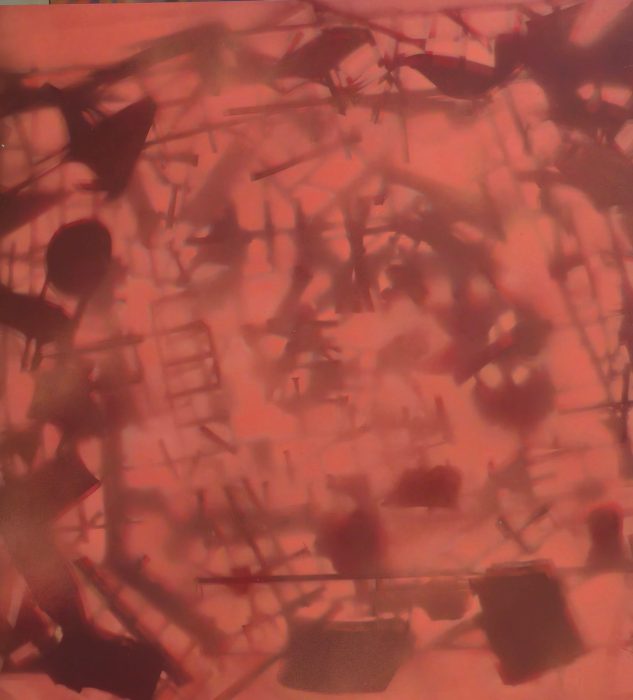
Yitzhak Livneh, Red Monochrome, 2025 Synthetic color on dibond, 110 × 100 cm
Yitzhak Livneh, Car and Knife, 2025, Synthetic color on dibond, 122 × 122 cm
Yitzhak Livneh, Bad Storm, 2025, Synthetic color on dibond, 120 × 110 cm
Yitzhak Livneh, The Fall, 2025, Synthetic color on dibond, 120 × 110 cm

Yitzhak Livneh’s previous exhibition at Noga Gallery, “Waiting for the Barbarians,” held about a year and a half ago, dealt with depictions of ripped paintings. His current exhibition, “Something Befell,” is an additional link in his multi-year interest with depictions of destruction and ruins. The paintings depict states of crushing and crumbling, yet they are not landscapes of ruins viewed from a distant point.

The paintings in “Something Befell” lack a point of view and there is no distance or defined horizon line. There’s no distance between the viewer and the ruin – a state that no longer allows for a safe standpoint from which to contemplate the ruin and reflect on history or the fate of empires.


The exhibition opens alongside the launch of the third volume in the “Golden Notebook” series, published by the Bezalel Department of Fine Arts in collaboration with Asia Publishers. The series is a gesture of appreciation and recognition by the department toward artists of significant influence within the local art scene, and on the spirit and philosophy of art education – a field in which Yitzhak Livneh has played a major and central role. Livneh was one of the leading and most prominent lecturers in the Fine Arts Department for almost four decades.

Reading in the Dark

reading in the dark / yonatan zofy

opening: 05/09/2025   closing: 19/10/2025

Sand and Glue, white glue, sand, 52x72 cm, 2025
To Draw a Breath, white glue and acrylic pigment on glass, 41 x 41 cm, 2024
Sand and Glue, white glue, sand,  52x72 cm, 2025
To Draw a Breath, white glue and acrylic pigment on glass, 51 x 41 cm, 2024
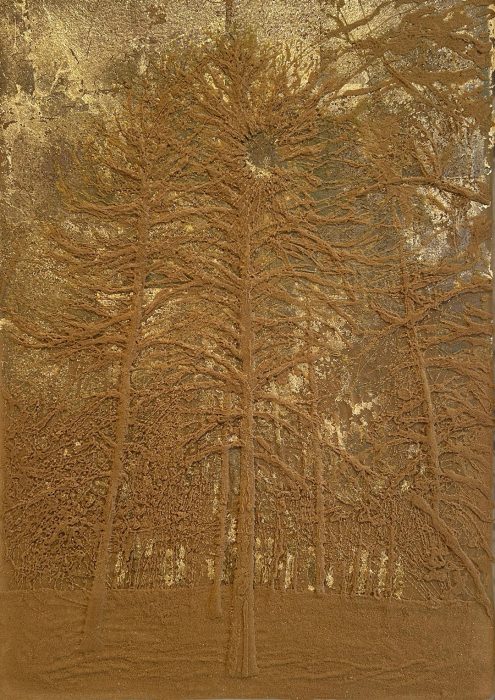
Sand and Glue, white glue, sand and gold leaf, 100x70 cm, 2025
exhibition view, photography by elad sarig

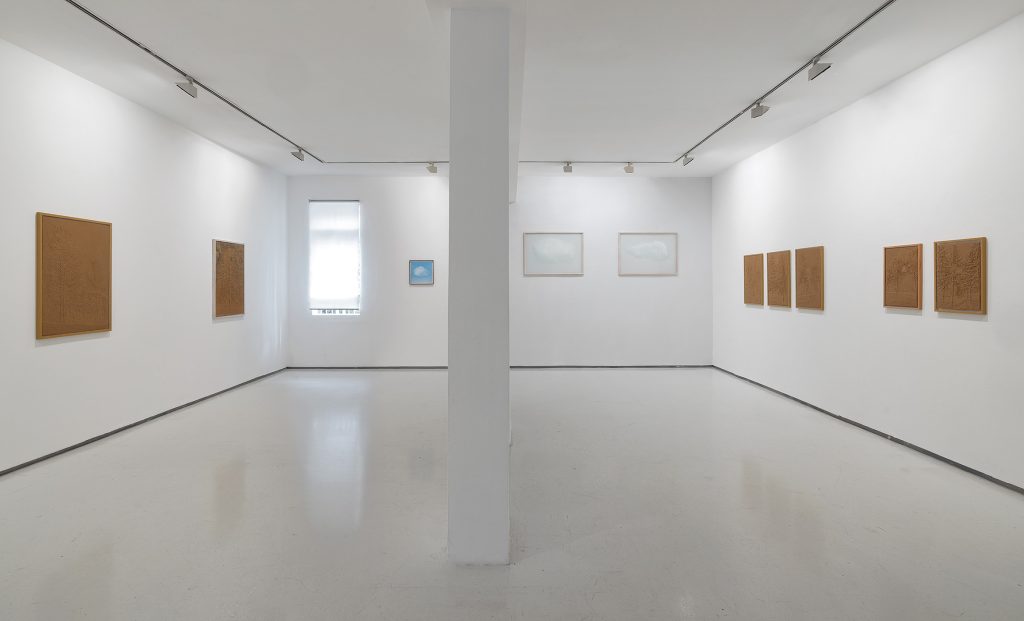
Yonatan Zofy’s solo exhibition consists primarily of lace-like paintings made of sand and glue, focusing on the dazzling encounter with the sun rays passing through the trees. In a reduced yet detailed color language, Zofy focuses on the precise moment when sun beams shatter into the world, when the sun takes form as a body touching other bodies on earth, while simultaneously enabling the very act of seeing.
The filtering of sunlight through the tree branches reveals, for a brief moment, sculptural fragments of the sun in action, cast into a relief in sand.

This body of work was created following the artist’s relocation from urban life in central Israel to the green scapes of Amuka in the Upper Galilee.


Yonatan Zofy, born in 1983, lives and works in Amuka.

Zofy graduated from the Fine Art Department at Bezalel Academy of Art and Design, Jerusalem, in 2010. He has received several awards, including the Osnat Mozes Young Artist Award (2017), an Artist-Teacher Scholarship from the Ministry of Culture (2019), and an Award of Excellence from Bezalel Academy (2011).

He has participated in notable group exhibitions such as Shutters and Stairs at the Israel Museum (2020), Code vs Code (2019), and And the Hand Draws On (2018) at the Tel Aviv Museum. Zofy has held two solo exhibitions at Noga Gallery: Eyeful (2022) and To Draw a Breath (2024).

His works are included in the collections of the Tel Aviv Museum, the Israel Museum, the Knesset, and private collections.

No Words

no words / group exhibition

opening: 06/06/2025   closing: 31/07/2025

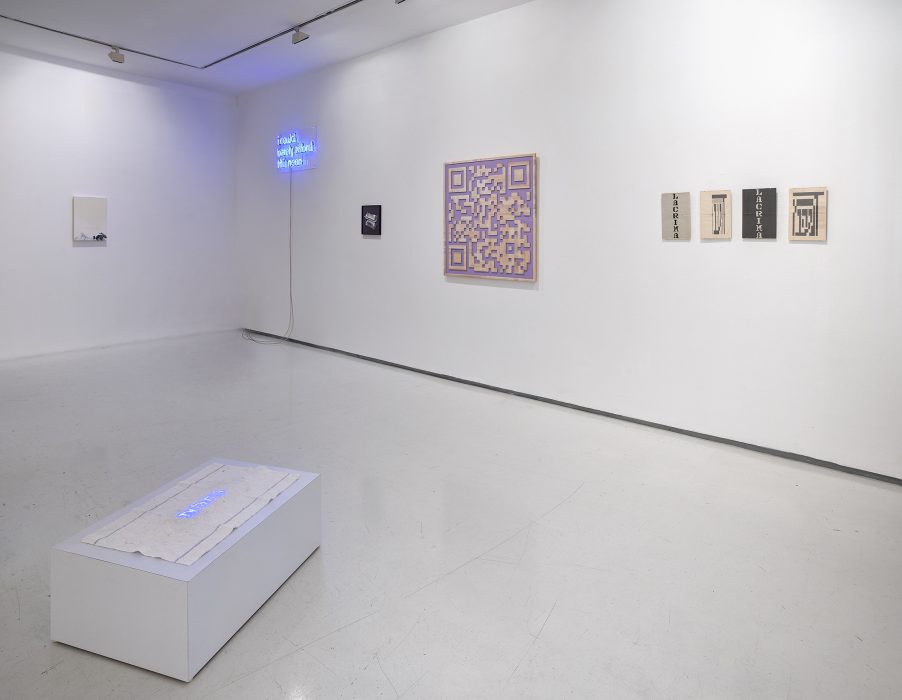
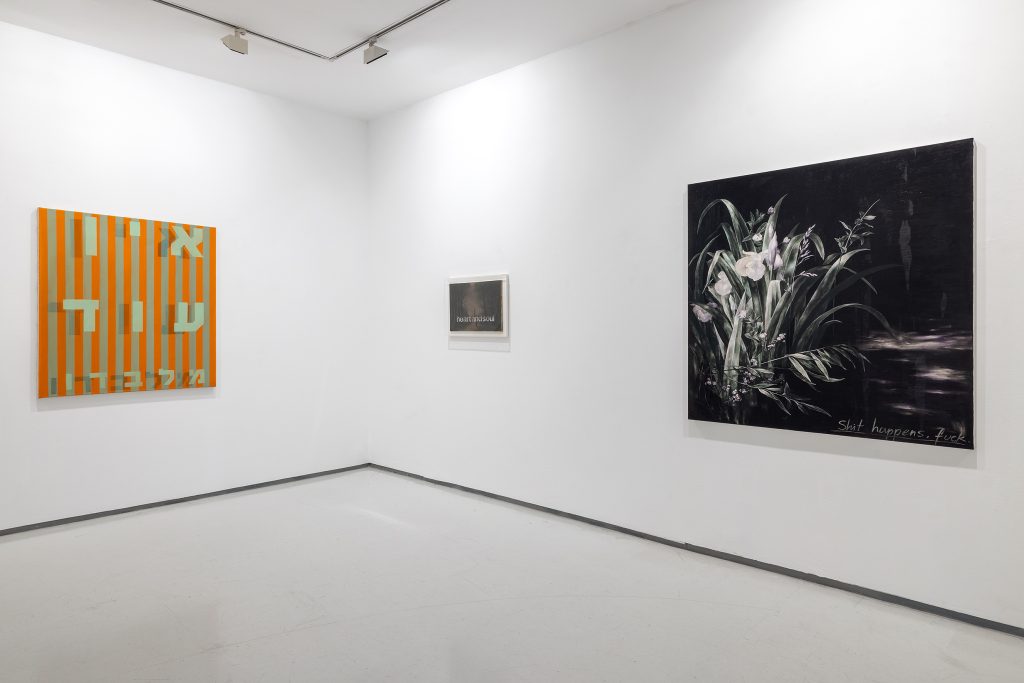
Yitzhak Livneh, Ein Milim (No Words), oil on canvas, 75 * 75 cm, 2015
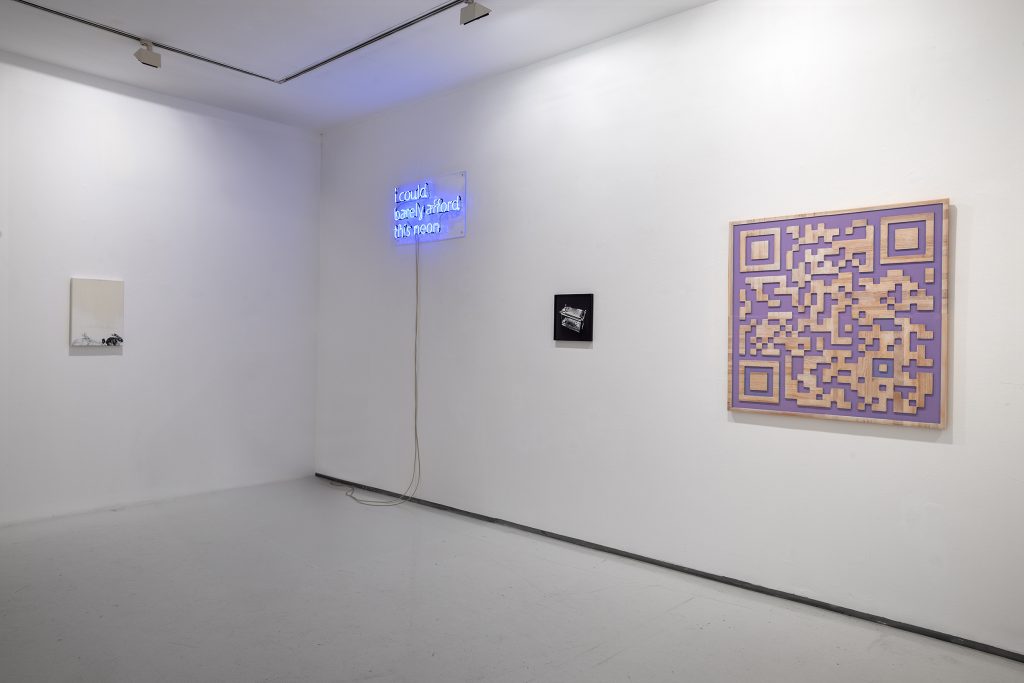
Guy Zagursky, neon on glass, 50 * 90 cm, 2020
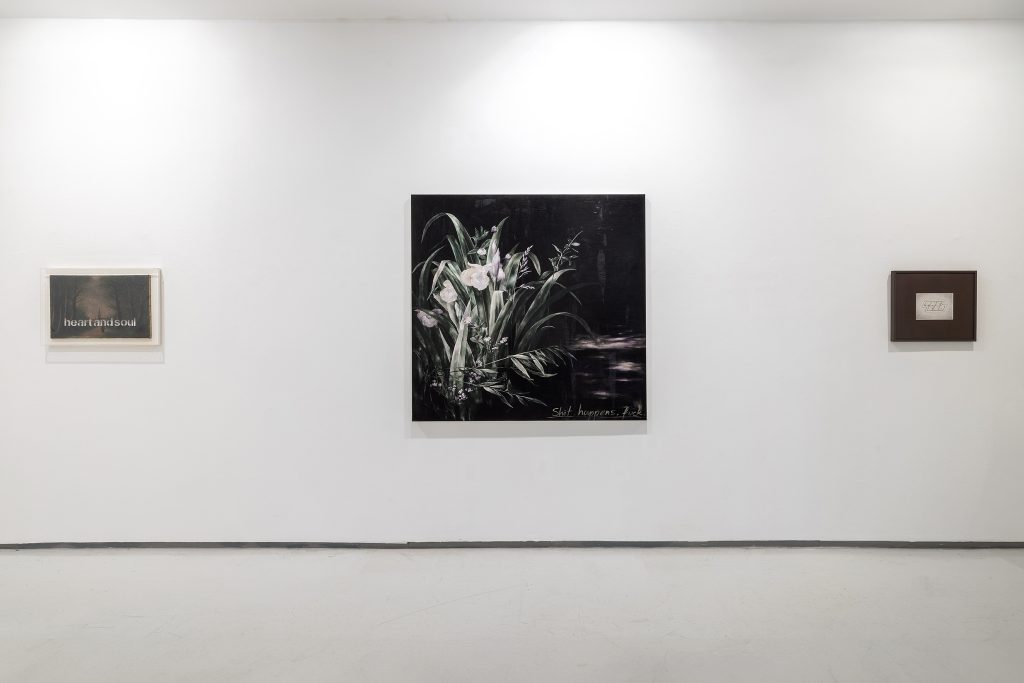
Anat Betzer, Untitled, 2012, Oil on canvas, 140 × 140 cm
Uri Ben Natan, Kan Ani Kan Ata (Here I Am, Here You Are), digital image, 30 * 30 cm, 2025
Amikam Toren, Untitled (heart and soul) 2005 40x55cm
exhibition view, photography by elad sarig

Uri Ben Natan, Anat Betzer, Joshua Borkovsky

Liam Chambon, Karen Dolev, Yitzhak Livne

Michal Naaman, Amikam Toren, Guy Zagursky


What do we say when words run out? The exhibition No Words holds a poetic irony: just when it seems that silence speaks for itself, words sink in. They are present in every work – inscribed, engraved, floating, vanishing and reappearing. In this space, the word is not merely a vessel of meaning but also a visual form, a material, a sign.

No Words operates precisely out of the contradiction it declares. Not only are there words – they shout, or whisper. The word becomes a layered, multifaceted object.

It is a raw material – formal, emotional, cultural, political, personal, and even humorous.


Alongside established gallery artists, we felt it was important to include young voices – emerging artists who are taking their first steps in the local, contemporary art scene.

Slat By Slat

Slat By Slat | Hilla Toony Navok

opening: 14/03/2025   closing: 31/05/2025

Slat By Slat (1), Mixed Media, 50X50 cm, 2025
Slat By Slat (2), Mixed Media, 50X50 cm, 2025
Slat By Slat (3), Mixed Media, 50X50 cm, 2025
Slat By Slat (4), Mixed Media, 50X50 cm, 2025
exhibition view, photography by Lena Gomon

 “Slat by Slat” is the new exhibition by Rappaport Prize-winning artist Hilla Toony Navok.


Following two major sculpture exhibitions at the Tel Aviv Museum and the Herzliya Museum, Navok now presents a new series of drawings at Noga Gallery, created using an unusual sculptural technique. Over the past year, she has produced hundreds of small, individual units of abstract drawings—like building blocks. Through an extensive process of assembly, she has carefully combined these units to form rich, dense, and multilayered compositions.


The exhibition features 11 new drawings on paper alongside four relief drawings made of aluminum, each in a square format. In these relief drawings, Navok has integrated various everyday objects taken from domestic spaces—towels, blinds, a pipe, and half of a work table—embedding them into the compositions. This process of merging objects with the drawings highlights their abstract and sculptural qualities.


The techniques of layering, compression, and assembly evoke a sense of fortification and blockage —a feeling of falling apart and collapsing—paired with a desperate attempt to hold everything together and make use of what there is.


Hilla Toony Navok, born in Tel Aviv-Yafo, works across sculpture, video, and drawing. She teaches sculpture at the Bezalel Academy of Arts and Design. Her work explores abstract and poetic qualities found in everyday Israeli surroundings and well-recognized local materials.


Navok has received numerous awards, including the Rappaport Prize for a Promising Artist from the Tel Aviv Museum of Art (2020), the Beatrice Kolliner Prize for a Young Artist from the Israel Museum (2019), the Discount Bank Prize (2020), the Minister of Culture Prize (2019), and an Artist Residency Scholarship at Artport (2015).


She is also a co-publisher at Poraz et Navok. Her Permanent public sculptures include Lighthouse (2023), installed on Al Parashat Drahim Street in Tel Aviv, and Sunrise-Sunset (2019), located at the Navon train station in Jerusalem.


­­

Haim

Haim | Alexandra Zuckerman

opening: 07/02/2025   closing: 08/03/2025

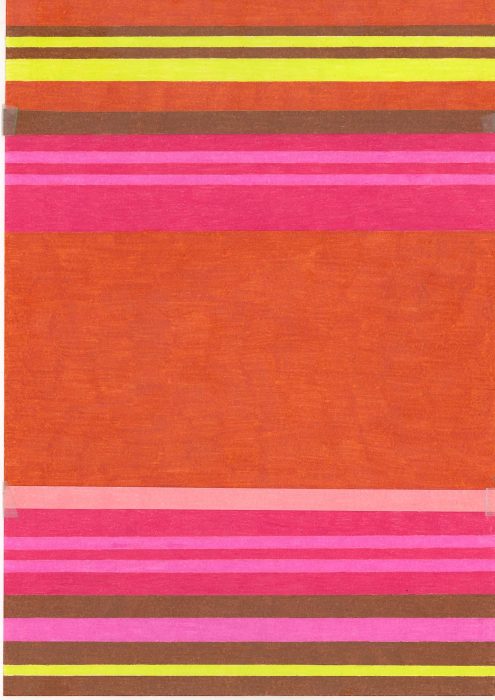
Haim (18), Pencils on A4 paper, 29.7X21cm, 2025
Haim (1), Pencils on A4 paper, 29.7X21cm, 2025
Haim (2), Pencils on A4 paper, 29.7X21cm, 2025
Haim (3), Pencils on A4 paper, 29.7X21cm, 2025
Haim (5), Pencils on A4 paper, 29.7X21cm, 2025
Haim (6), Pencils on A4 paper, 29.7X21cm, 2025
Haim (11), Pencils on A4 paper, 29.7X21cm, 2025
Haim (12), Pencils on A4 paper, 29.7X21cm, 2025
Haim (13), Pencils on A4 paper, 29.7X21cm, 2025
Haim (14), Pencils on A4 paper, 29.7X21cm, 2025
Haim (15), Pencils on A4 paper, 29.7X21cm, 2025
exhibition view, photo by elad sarig

The work of Alexandra Zuckerman takes the language of drawing on paper as a way to reflect about inner connections between the field of fine art to that of applied arts and craft.


“Haim” is the title of a new body of work that Zuckerman has been developing over the past few months. It consists of drawings on A4 format paper (29.7 by 21 cm), meticulously created with colored pencils, covering the entire surface of the paper.


The stripes featured in the drawings are inspired by the arrangement of warp threads used in the weaving process. This series reflects her ongoing interest in design, textiles, and weaving, as well as their connection to modernism and abstraction seen from a feminine perspective.


The formal and chromatic choices made by the artist result in repetitive patterns, offering extensive opportunities for playfulness and creative freedom in composition, color schemes, and their combinations, while simultaneously conveying a unique sense of discipline.


The title of the series, haim [חַיִּים], is the Hebrew word for life and a male given name that used to be quite popular in Israel. In Hebrew life is always defined as plural – lives – and in this context the title embodies the repetition and plurality that is inherent in the works.


Alexandra Zuckerman (*1981, Moscow) lives and works in Tel Aviv. Her work was presented at Israel Museum, Jerusalem, Tel Aviv Museum of Art, Petah Tikva Museum of Art, MoBY – Museums of Bat Yam, Artist’s House in Jerusalem, kim? Contemporary Art Centre in Riga, Galeria Sabot in Cluj-Napoca, and Magasin III in Stockholm. This is her third solo exhibition at Noga Gallery for Contemporary Art.


Nicola Trezzi

That’s The Way It Is

That’s The Way It Is | Orly Maiberg

opening: 13/12/2024   closing: 02/02/2025

Late Autumn, ink and collage on raw canvas,130x180cm, 2024
On the Bottom of the Sea, ink and collage on raw canvas, 178x130cm, 2024
Utopic Islands, ink paint and collage on raw canvas, 178x138cm, 2024,-min
Oasis, ink and collage on raw canvas,130x245cm, Shoshana Wayne Collection, 2022
#18, ink and collage on raw canvas, 19x59.5 cm, 2024
#15, ink and collage on raw canvas, 26x29 cm, 2024
#14, ink and collage on raw canvas, 26x26.5 cm, 2024
#20, ink and collage on raw canvas, 27.5x22 cm, 2024
#27, ink and collage on raw canvas, 35.5x30.5cm, 2024
#8, ink and collage on raw canvas, 30x37.5 cm, 2024
#21, ink and collage on raw canvas, 18x18 cm, 2024
#10, ink and collage on raw canvas, 17.5x20 cm, 2024
#25, ink and collage on raw canvas, 29x40 cm, 2024
Exhibition view, photography by Elad Sarig

“Articles lost. What makes the very first glimpse of a village, a town, in the landscape so incomparable and irretrievable is the rigorous connection between foreground and distance. Habit has not yet done its work. As soon as we begin to find our bearings, the landscape vanishes at a stroke, like the façade of a house as we enter it. It has not yet gained preponderance through a constant exploration that has become habit. Once we begin to find our way about, that earliest picture can never be restored.”

“Illuminations: Essays and Reflections,” Walter Benjamin, edited by Hannah Arendt, translated by Harry Zohn, Schocken Books, 1968.


In July 2023, my exhibition Nohow On, Again On was presented at the Ticho House – a site-specific painting installation, some of which was created on-site. The work covered nearly the entirety of two main gallery walls and reached up, clinging to the ceiling.

By the time it returned to the studio, the work had grown significantly in scale. For a long time, it sat there like a beached whale, entombed in a museum-labeled cardboard box, blocking the studio entrance, and serving as a persistent reminder of how I was ignoring it.

After October 7th, I felt estranged in the studio. My playlists changed – now I listened mostly to Hebrew songs as a way of reorienting myself, counting every sharp, dense day with Another Day, a Matti Caspi song, with lyrics by Rachel Shapira:

“In its sharpness,
Another day, another day.
In its density,
Another day, another day.

To neither diminish nor escape,
Always striving to move on.
Moving on means: not walking away.”


Until one day, I unpacked the huge painting and spread it out on the studio floor.

My workspace was now covered by twenty-five square meters of canvas with winding edges, appearing boundless. I started marking and defining rectangular and square territories across the painted surface. With a sharp knife and heavy tailor’s scissors I cut small windows deep into the multilayered canvas. Day after day, I extracted fragments of landscapes, small figures, and abstract color fields.

The whole was now replaced by its parts, details and close-ups of events. I extracted 40 compositions I wanted to preserve and continued working on some of these, gluing and covering, repairing some torn parts, and ripping others.

The work on the studio floor remained punctured, with a disintegrated skeleton at its center.

That’s the way it is.

**

In the large paintings, a core of life is revealed—a remnant of destruction and erasure, or perhaps a hint of what is yet to grow.

Or maybe it is “the picture that can never be restored,” as Walter Benjamin put it.

Translated from Hebrew: Danii Amir

Waiting for the Barbarians

Waiting for the Barbarians / Yitzhak Livneh

opening: 25/10/2024   closing: 30/11/2024

Untitled, mixed technique on debond, 110*120cm, 2024
Untitled, mixed technique on debond, 110*100cm, 2024
Untitled, mixed technique on debond, 100*110cm, 2024
Untitled, mixed technique on debond, 100*100cm, 2024
exhibition photography by Lena Gomon

Yitzhak Livneh

Waiting for the Barbarians


The exhibition takes its name from the title of C. P. Cavafy’s famous poem “Waiting for the Barbarians,” which opens with the lines:

“What are we waiting for, assembled in the forum?

The barbarians are due here today.”


The exhibition features a group of paintings that at first glance seem to depict the back of a painting. In fact, they show the front side of a painting that was the target of a deliberate act of vandalism, in which most of the painting was cut out with an exacto knife and removed. The edges of the painting are still attached to the stretcher. The removal of the center of the painting exposes the stretcher, the cross bars that support it, and the white wall on which the painting was hanging.

Typically, the motivation for vandalizing paintings is ideological, whether political or religious. But painters also do this when they give up on a painting that did not turn out well. Art thieves who steal paintings from museums also cut the paintings along their edges, roll them up, and quickly leave the scene.

The act of destroying a painting is primarily symbolic. Its aftermath is first and foremost an unbearable sight. For this reason, in recent years various protest organizations have staged art vandalism spectacles. It seems that vandalizing masterpieces is the simplest and most effective way to harm and challenge Western culture. The vandalizing protestors gain media attention and perhaps also a platform for their claims and demands.

Early on in his career, Yitzhak Livneh used to work in a restoration studio, where he specialized, among others, in repairing tears in paintings until the damage became completely undetectable.


Yitzhak Livneh

October 2024

Still Life

Still Lifes / Eti Jacobi Lelior / 2024

opening:30/8/2024   closing: 10/10/2024

Eti Jacobi Lelior, untitled, acrylic on canvas. 100x100, 2024

“I believe that nothing can be more abstract, more unreal, than what we actually see. We know that all we can see of the objective world, as human beings, never really exists as we see and understand it. Matter exists, of course, but has no intrinsic meaning of its own, such as the meanings that we attach to it. We can know only that a cup is a cup, that a tree is a tree.”

– Giorgio Morandi


Eti Jacobi Lelior’s solo exhibition features eight new paintings, all done in acrylic on canvas and are 100 × 100 cm in size. The exhibition centers around two main “subjects of interest” related to Jacobi Lelior’s practice, which is devoted to painting and the multitude of manifestations related to this medium.

The first subject of interest is that of still life. This painting genre has been employed by artists over the centuries in order to convey technical and conceptual ruminations that have little or nothing to do with the genre itself. Its emptiness has always been its strength, allowing the language of painting to emerge in all its glory without being obfuscated by the intrinsic power of subject matter. Placing herself within this legacy, Jacobi Lelior – who over the last forty years has created numerous series of still life paintings – once again takes this opportunity to experiment with layers of colors and brush strokes, complementing her latest body of work – different in size and scope – which will take central stage in her upcoming solo exhibition at Tel Aviv Museum of Art (TAMA). However, in sheer contrast with her previous still lifes that saw shapes emerging from a black background, this new series is based on a palette of pinks and purples, echoing the colors dominating the body of work that will be presented for the first time at TAMA.


The second subject of interest is repetition. The decision to make a still life painting already entails a double sense of repetition. Firstly, since the painting repeats – or let us presume it repeats – a composition of objects arranged by the artist and subsequently copied. Secondly, due to the weight of the genre itself, which means that any artist doing still lifes evokes a long list of iconic paintings of this kind: from Caravaggio’s to Cézanne’s still lifes, through Rococo painters like Chardin, whose works are a recurring source of inspiration for the artist. Following these premises, repetition becomes, just like the genre of still life itself, a way of liberation, a way out of the limitations of interpretation. It frees the artist from issues of originality and meaningfulness, turning the spotlights only to what really matters to Jacobi Lelior. To conclude, we can argue that – through the combination of playfulness and virtuosity – the artist aims at achieving, in a quest that seems not to have any end or limit, the perfect painting.


– Nicola Trezzi, Selvino, Italy