The Sea Was a Mirror

The Sea Was a Mirror / Matan Ben-Tolila

opening: 29/05/2026   closing: 24/07/2026
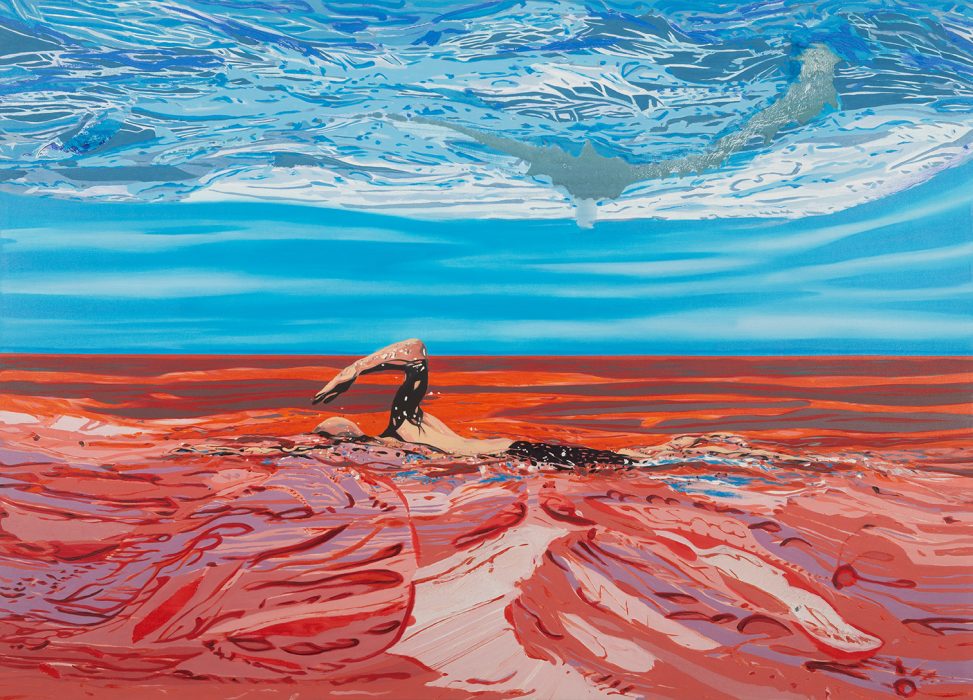
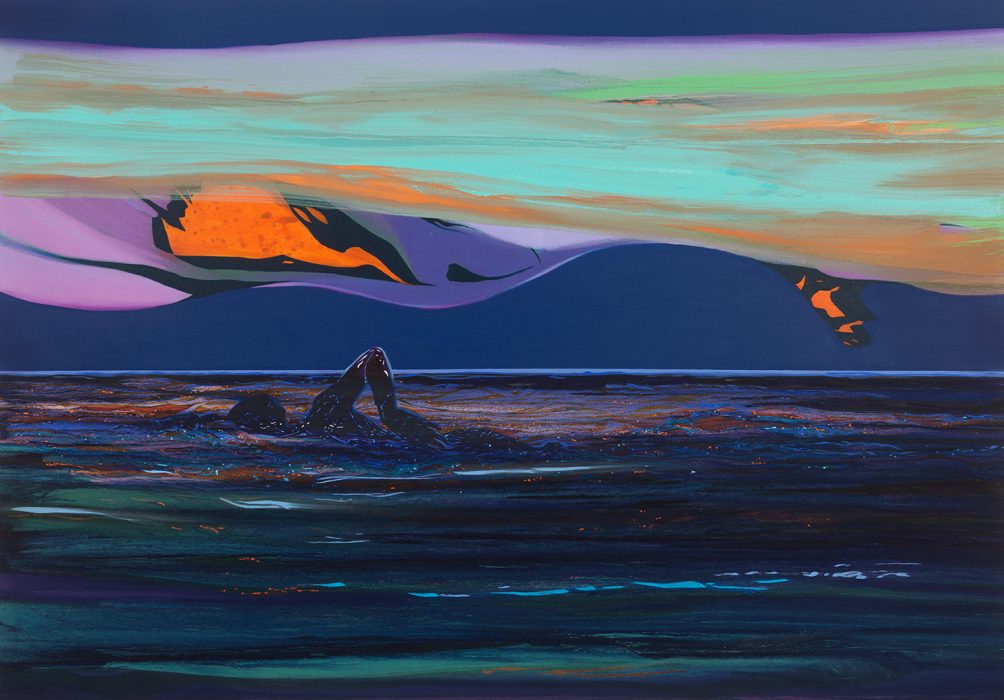
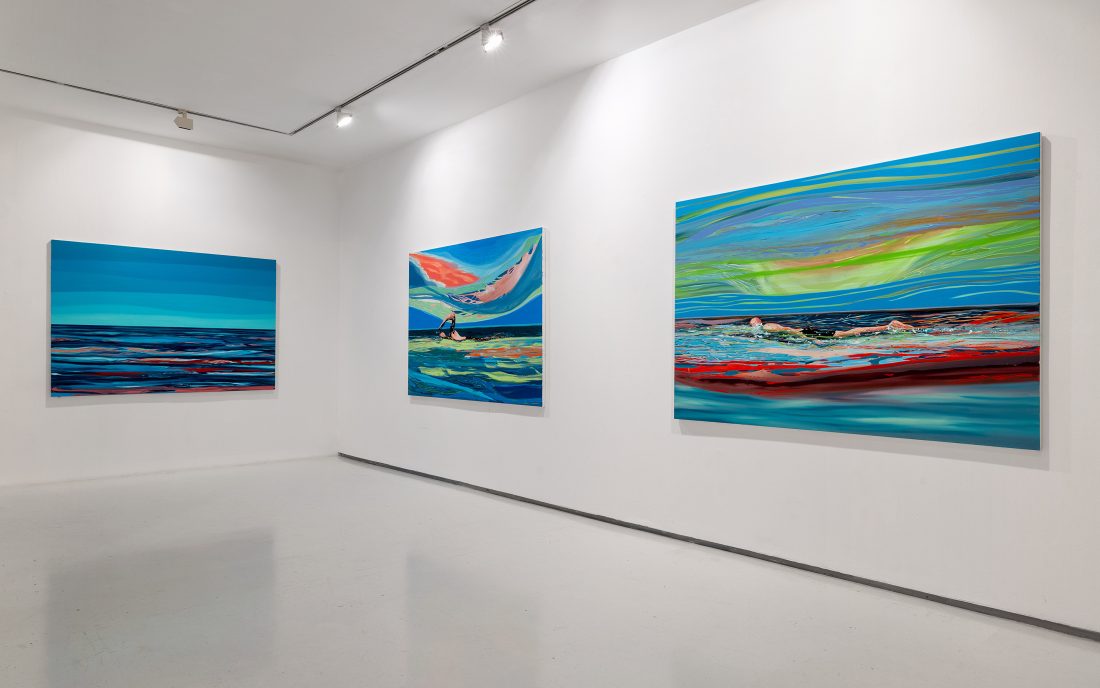
Matan Ben Tolila, Swimmer (1), 2025 (The Sea Was A Mirror), Oil on canvas, 130 × 180 cm
Matan Ben Tolila, Swimmer (4), 2025 (The Sea Was A Mirror), Oil on canvas, 140 × 200 cm
Matan Ben Tolila, Light On Water (4), 2025 (The Sea Was A Mirror), Oil on canvas, 120 × 40 cm
Matan Ben Tolila, Swimmer (2), 2025 (The Sea Was A Mirror), Oil on canvas, 140 × 200 cm
Matan Ben Tolila Sea, Within Me, 2025 (The Sea Was A Mirror), Oil on canvas, 140 × 200 cm
Matan Ben Tolila, Swimmer (5), 2025 (The Sea Was A Mirror), Oil on canvas, 140 × 200 cm
Matan Ben Tolila, Light On Water Tryptich, 2026 (The Sea Was A Mirror), Oil on canvas, 120 × 510 cm
Exhibition view. photography by Elad Sarig

“The sea was a mirror” is a familiar expression describing a calm, smooth sea, inviting leisurely swimming and perhaps quiet, contemplative drifting.
This exhibition presents two series of paintings: The Rower, in which the artist paints himself rowing through the sea that becomes a mirror to his inner consciousness; and the later series, Light on the Water.


Carl Gustav Jung wrote that “The sea is the favorite symbol for the unconscious, the mother of all that lives,” and it is one of the most common symbols of our collective unconscious. These days are filled with constant battles; terror, anxiety, and anguish grip each and every one of us, and our shared consciousness, here in this place, finds little rest.


As you look at this sea, of day and night, it is not calm, smooth, or tranquil. The solitary rower swims within its depths, surrounded by its threatening blood-red waters. Even when the upper currents clear again beneath the sunlight, the crimson sediments that once filled them still flow in the depths below. And in those deep waters deprived of sunlight, where darkness steadily gathers, the skies above still cast their rays, perhaps the last light of sunset, perhaps the afterglow of bloodshed, across ominous currents. Yet in the series Light on the Water, the rower has detached from the self, shed the body that once contained him. He swam far, far away. Here, in the depths, the self has released from the body and immerses itself in light. The body disappears, and with it, the terrors of the unconscious.


Here the brushstrokes reveal the painters gaze, delighting in the light falling upon the water: shimmering glimmers, gentle ripples spreading outward, sprays and droplets. Is it light, or water? A line that is color or color that is line? Space containing nothing but color, wash, and beauty itself.
Light on the Water belongs to a long tradition of painting that observes the reflection of light upon water.


While these paintings depict the image of reflected light, they moreover invite the viewer to contemplate the very act of seeing: the moment in which eye, light, and the pleasure between them unite. Look at the line stretched across every canvas, separating sea from sky. The artist acts as the Creator of the world. For the line dividing sea from sky is itself the act of creation: the act of painting. That primordial line marks the separation through which the world itself was created.


And God said, “Let there be a vault between the waters to separate water from water.” So God made the vault and separated the water under the vault from the water above it. And it was so. God called the vault “sky.” (Genesis, 1: 6-8).


Tsila Hayun, writer and multi-disciplinary curator
Sunflowers of the Middle East

Sunflowers of the Middle East / Ido Michaeli

opening: 04/09/2026   closing: 30/10/2026

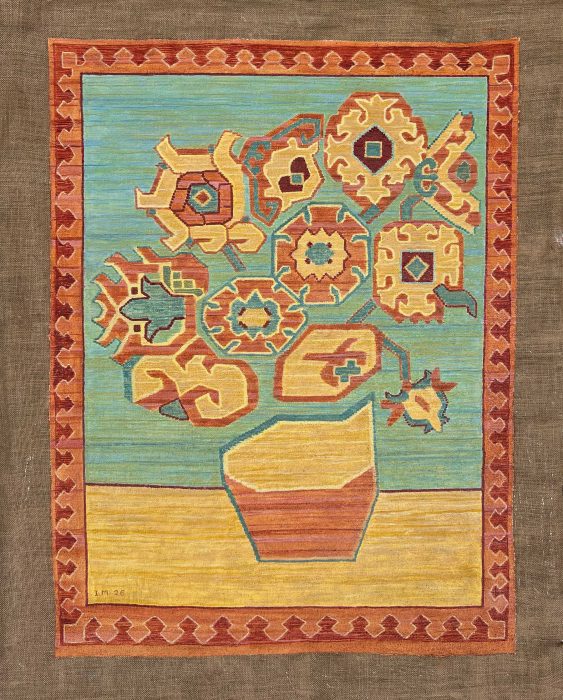
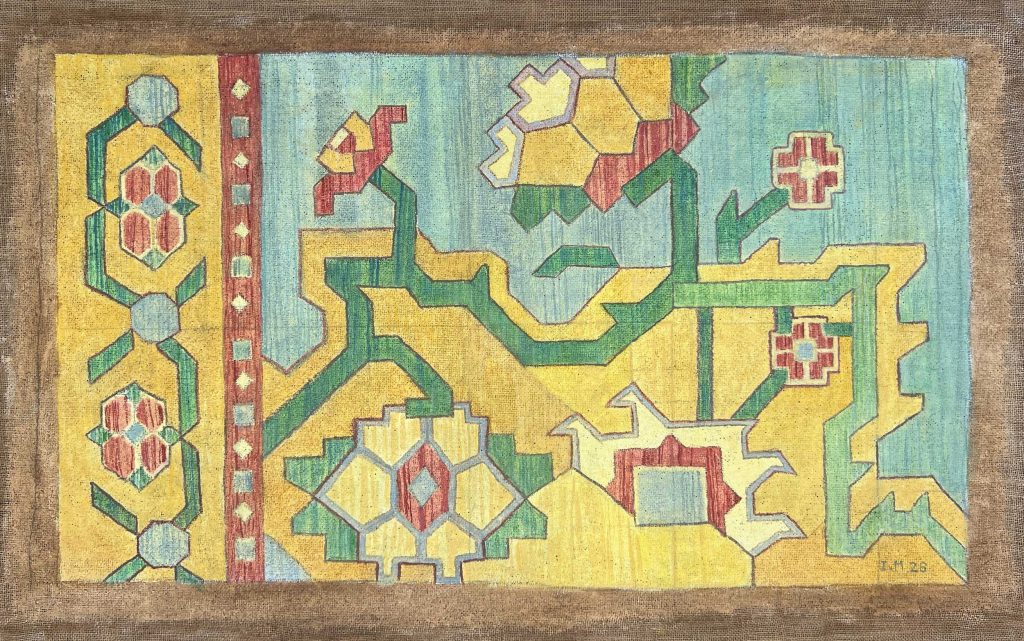
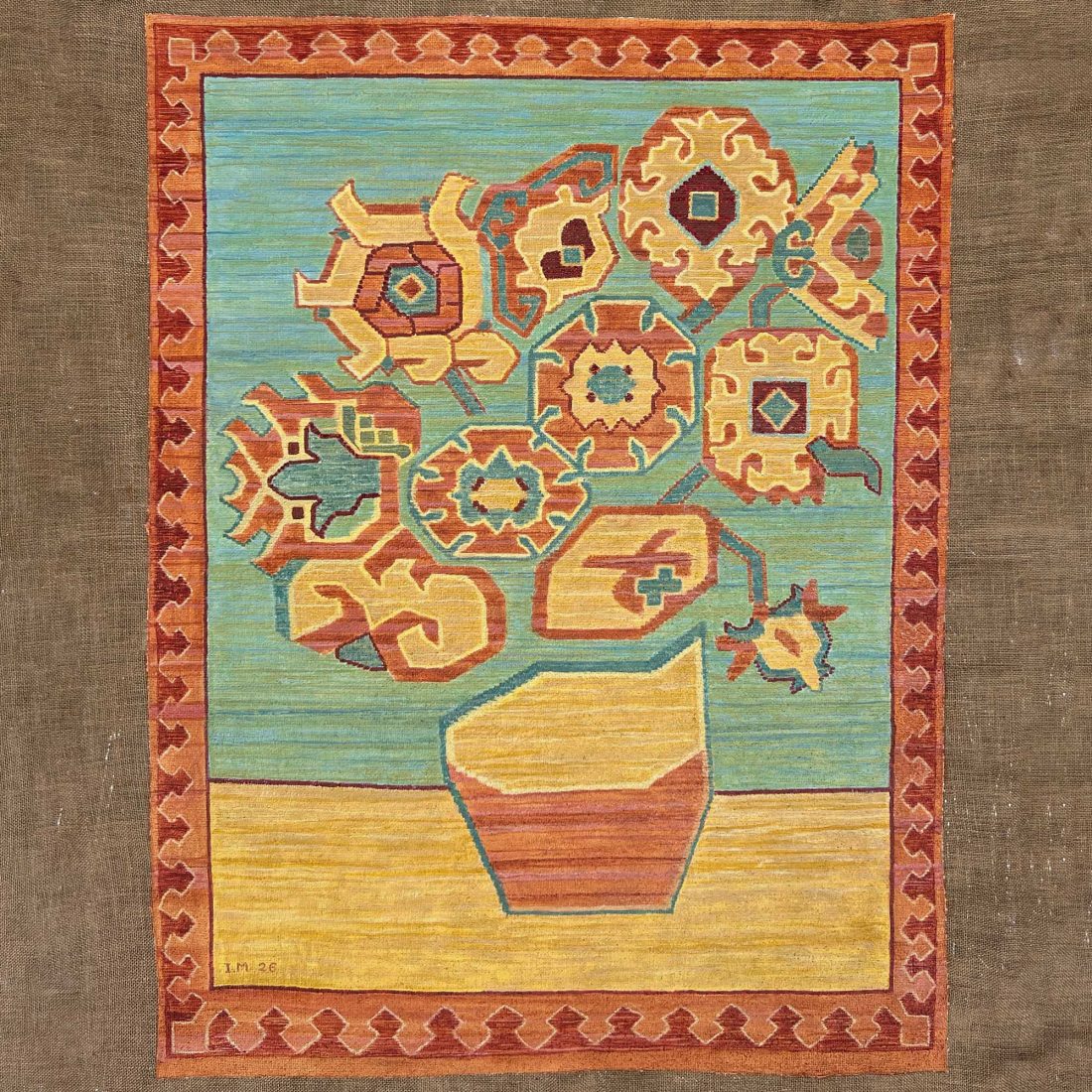
Ido Michaeli, Sunflowers of the Middle East (1), Oil on fabric, 145 x 105 cm, 2026
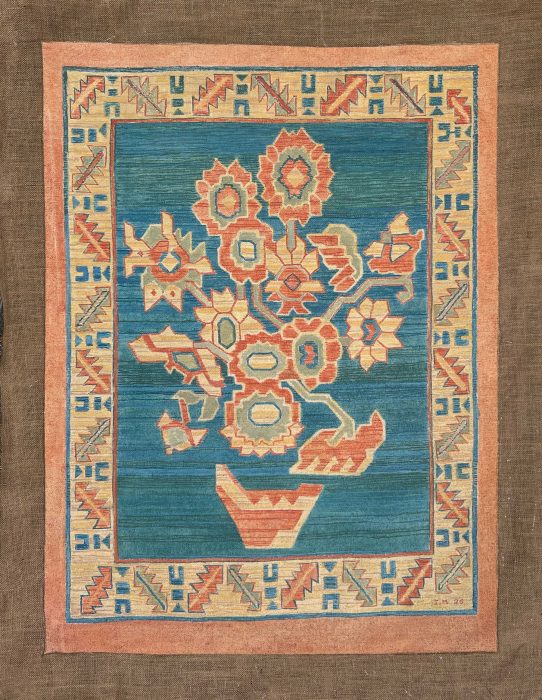
Ido Michaeli, Sunflowers of the Middle East (2), Oil on fabric, 145 x 105 cm, 2026
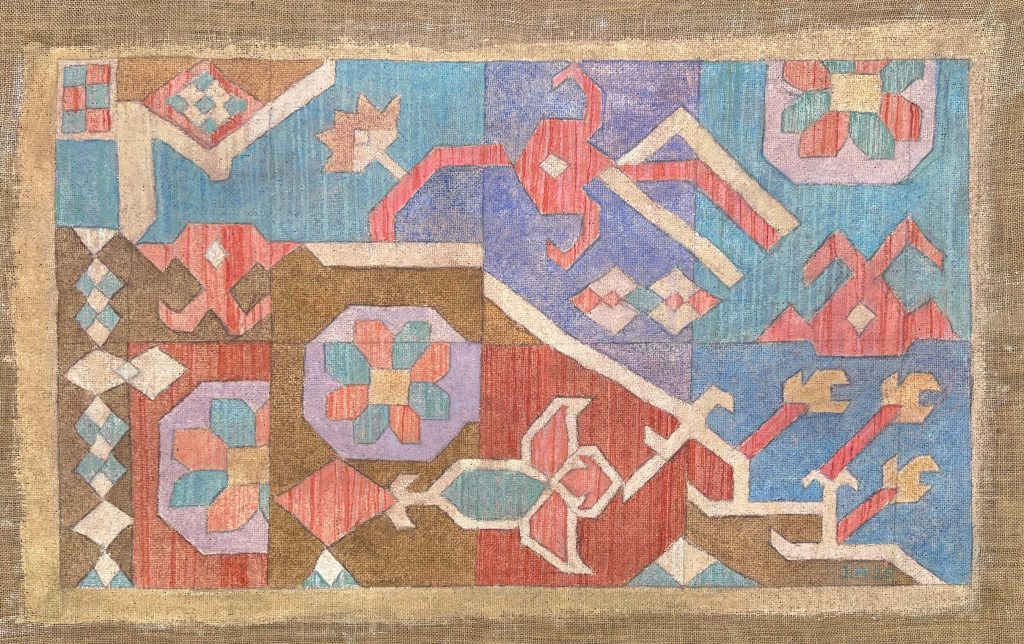
Ido Michaeli, Sunflowers of the Middle East (19), Oil on fabric, 70 x 115 cm, 2026
Ido Michaeli, Sunflowers of the Middle East (18), Oil on fabric, 70 x 115 cm, 2026
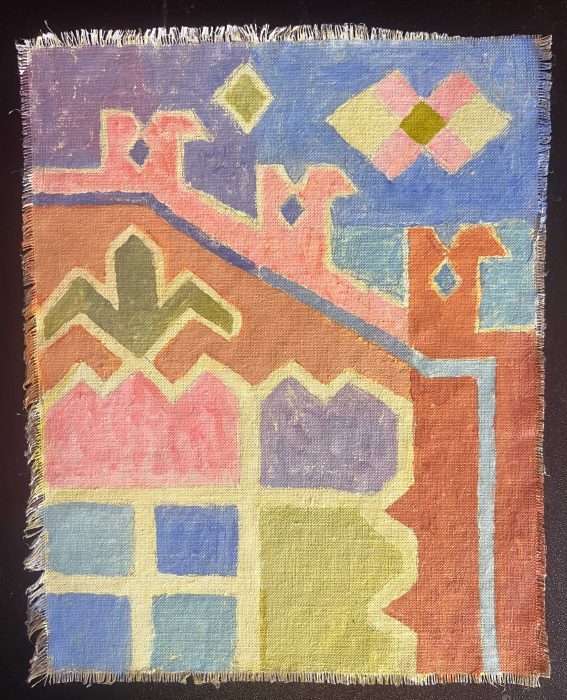
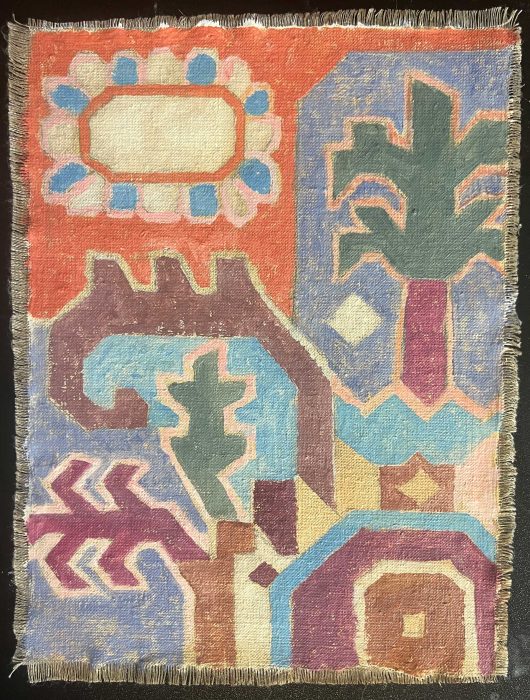
Ido Michaeli, Sunflowers of the Middle East (16), Oil on fabric, 26 x 21 cm, 2026
Ido Michaeli, Sunflowers of the Middle East (17), Oil on fabric, 26 x 21 cm, 2026

The exhibition presents a series of oil paintings paying homage to Van Gogh’s iconic Sunflowers, alongside landscape paintings influenced by elements drawn from Oriental carpets.

The exhibition explores the ways in which images travel between cultures and gather new meanings. Van Gogh’s Sunflowers are translated here into a visual language inspired by nomadic carpets and are re-celebrated through an ideal of beauty rooted in the Middle East. The syntax of one visual language is translated into that of another. Gaps in information emerge, as certain cultural codes may be accessible to some viewers while remaining blocked to others.

Throughout the history of Western art, European artists frequently depicted Oriental carpets in still-life paintings featuring flowers. Here, the direction of the gaze is reversed: a canonical image of Western art is being transferred through a Middle Eastern visual language. The translation from painting into carpet also seeks to challenge the distinction between painting as a form of representation and the carpet as decorative or traditional art. The images and motifs of the carpet are not only ornamental; they are also a way of looking at the world, remembering it, and representing it.

The exhibition also draws inspiration from Kurdish carpets, whose vivid colors and expressive qualities reminded me of Van Gogh’s paintings. Kurdish carpets are known for their artistic freedom, spontaneous color choices – including rich rust tones, indigo, and turquoise – and bold geometric designs.
Unlike urban carpets produced in large, organized weaving workshops, the weaving traditions of Kurdish nomads allowed for a different degree of freedom of expression. The movement of nomadic tribes between different regions also fostered an ongoing encounter between visual languages, motifs, and ideas from diverse sources, reflecting a sense of belonging to multiple cultures rather than to a single place.

The Middle East is an area of conflict, full of conflicts that seem impossible to settle. The exhibition is situated along this fracture line, moving through an unresolved tension between “here” and “there.” It serves as a wandering gaze – one that is not anchored in any single, defined cultural territory.

In The Making

In The Making / Group exhibition

opening: 13/02/2026   closing: 15/05/2026

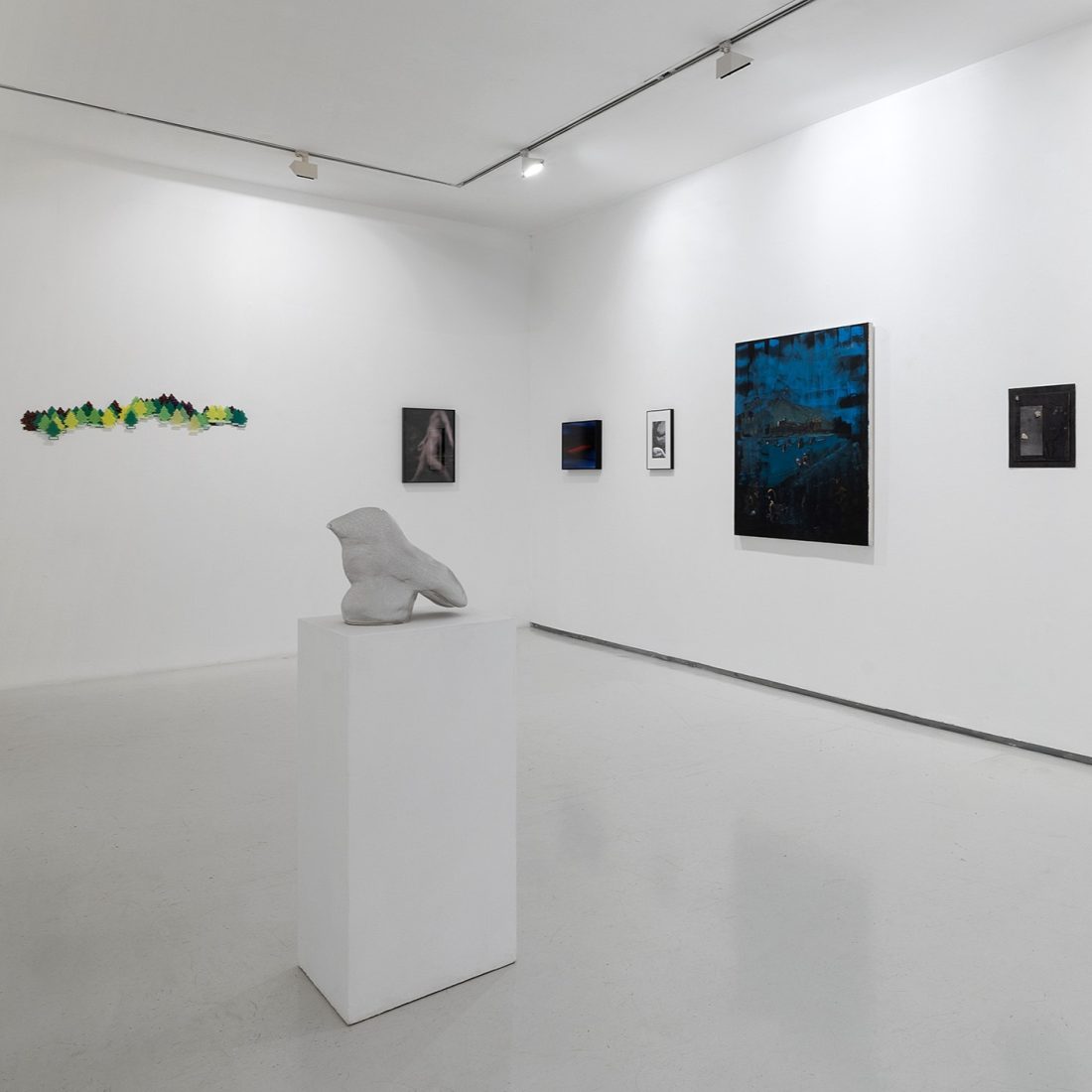
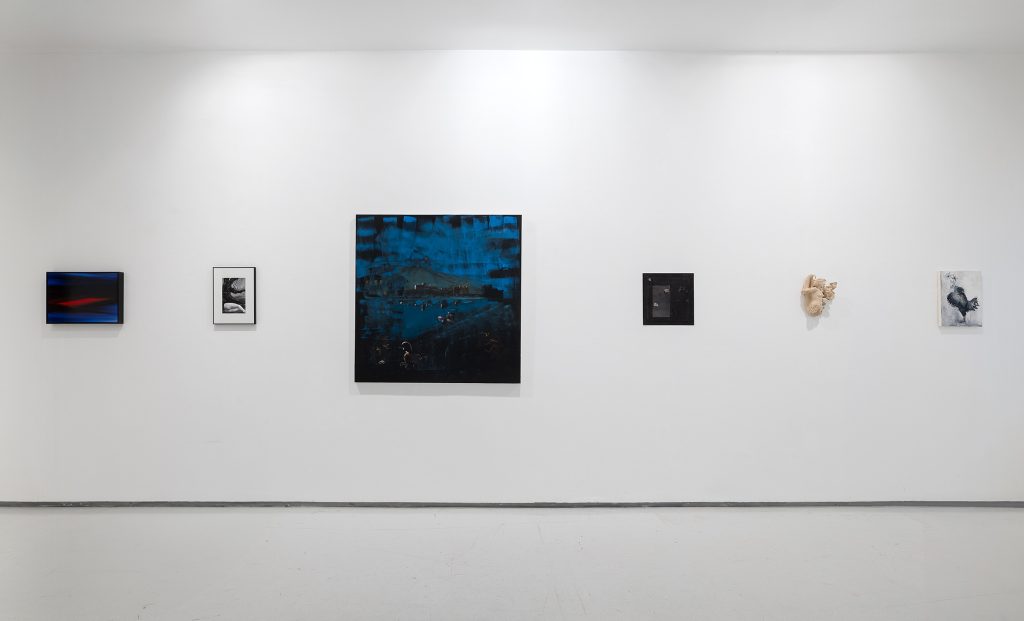
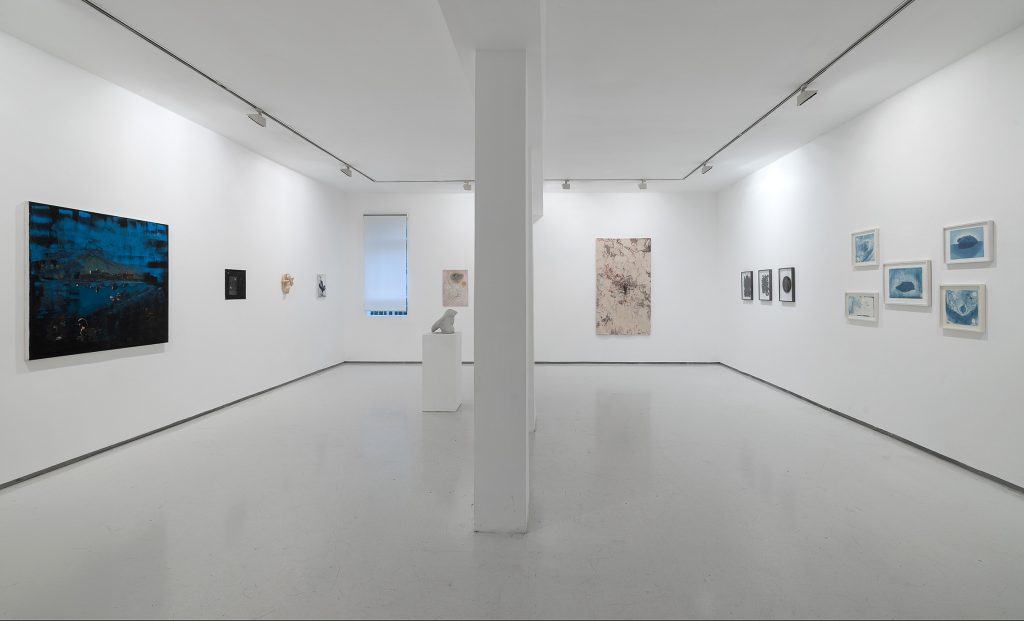
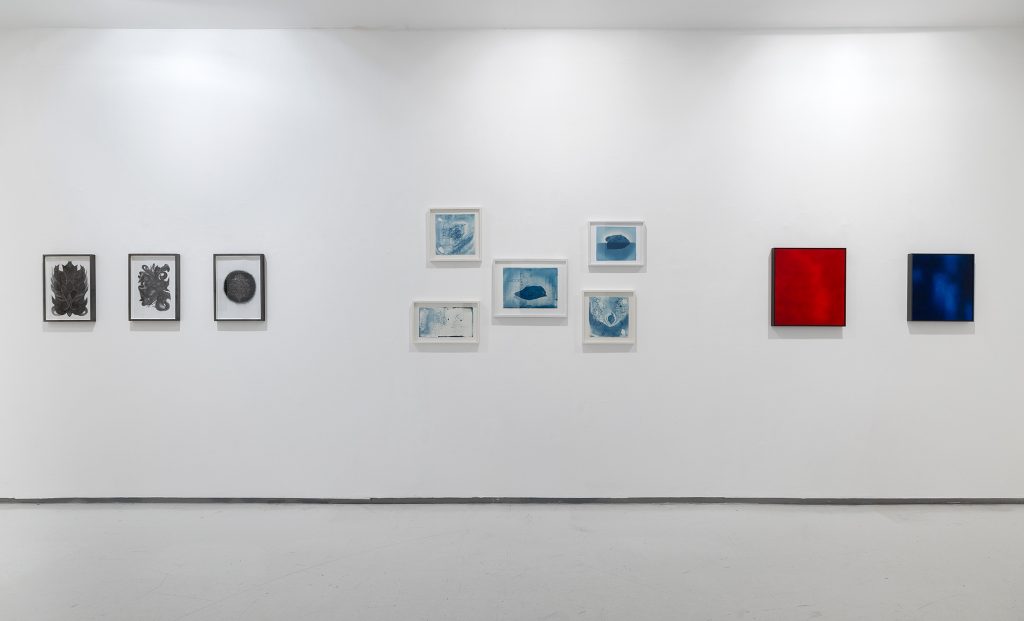
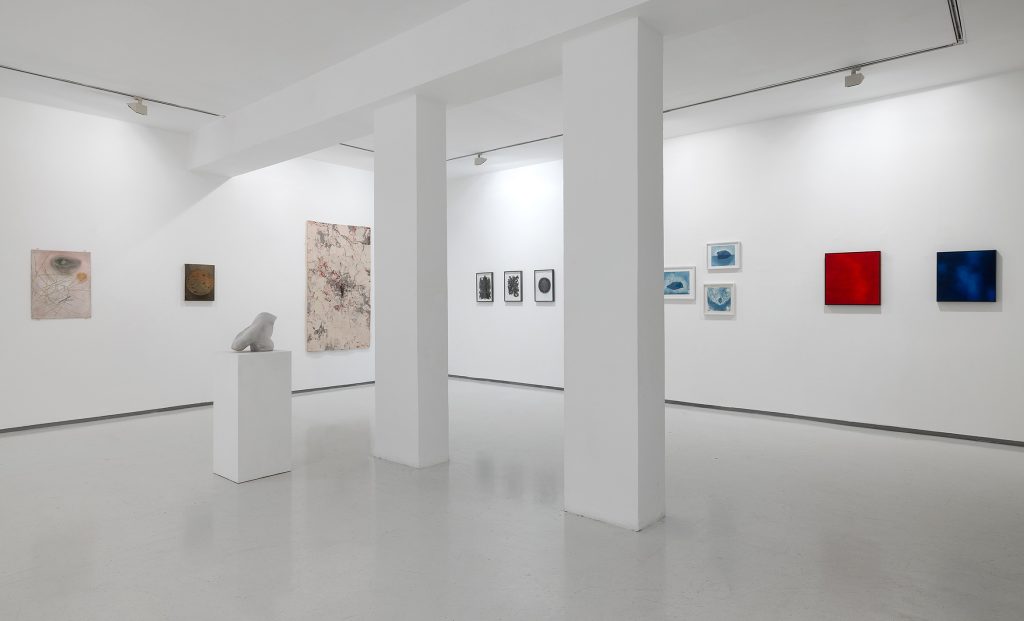
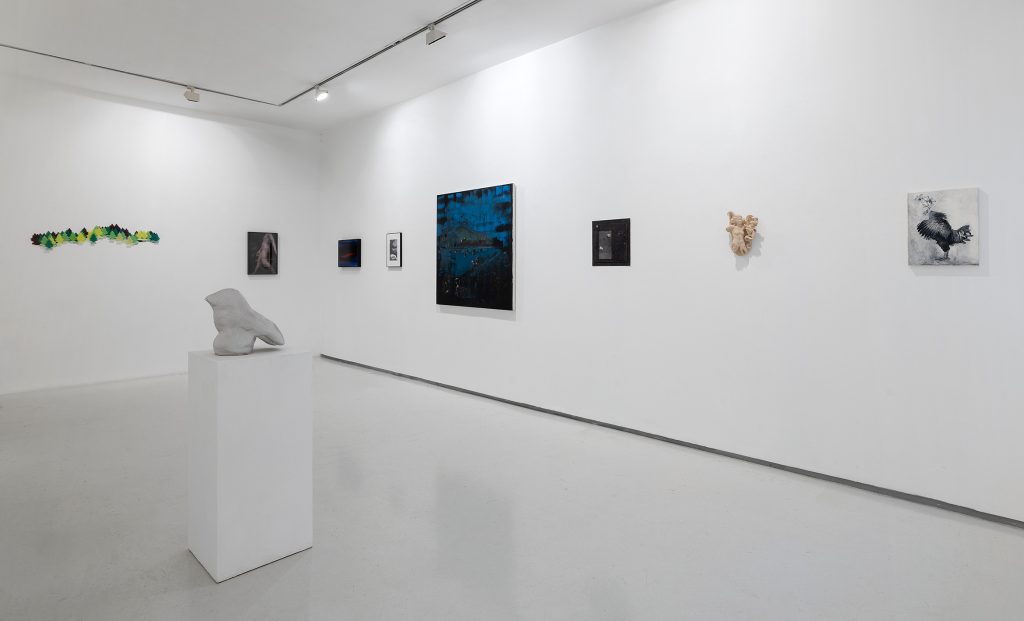
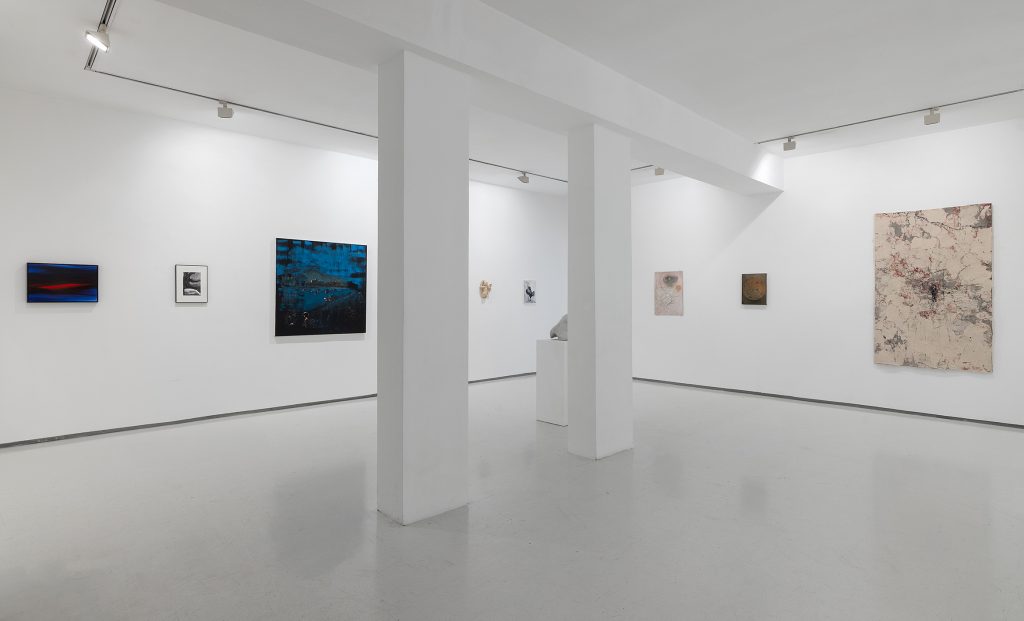
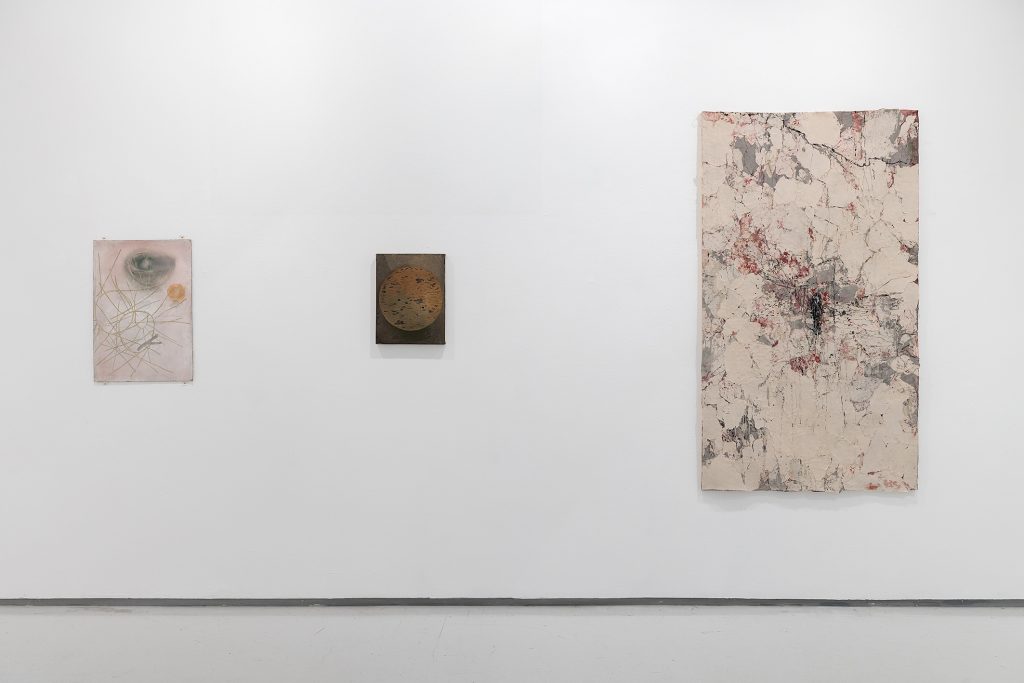
exhibition view by elad sarig
Hadas Hassid, Untitled (blue), oil on paper, 58x57 cm, 2025
Eti Jacobi Lelior, Untitled, Acrylic on canvas, 120x120 cm, 2025
Yakira Ament,  Emanations, Charcoal on cotton paper, 42x30 cm, 2023
Talia Keinan, Broken Cage, mixed media, 70x49 cm, 2025

Yakira Ament • Tal Amitai Lavi • Lea Avital
Anat Betzer • Hadas Hassid • Eti Jacobi Lelior
Mosh Kashi • Talia Keinan • Orly Maiberg • Shahar Yahalom

The exhibition In the Making approaches the present as an ongoing act shaped through the process of making itself – a space in which process takes precedence over conclusion, and meaning emerges from what is being made.