Monochrome

monochrome / group exhibition

opening: 24/05/2024   closing: 31/07/2024

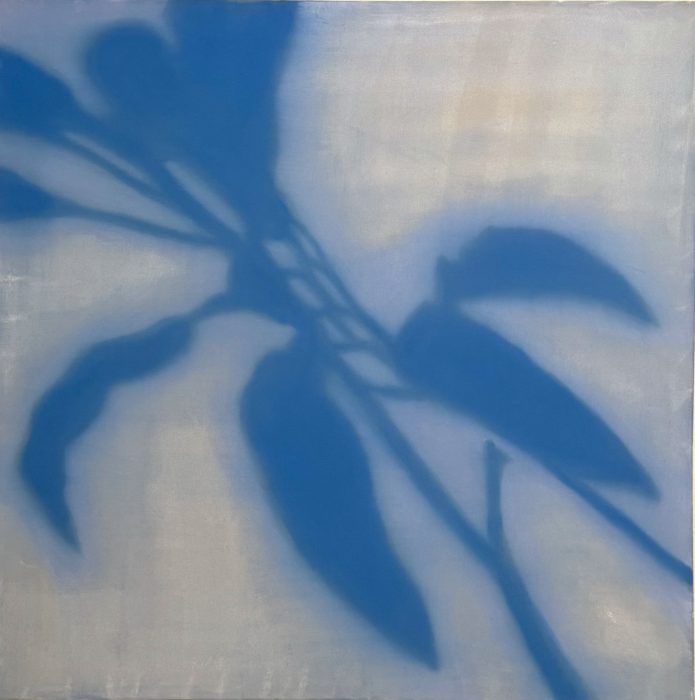
Alexandra Zuckerman, Indanthrene Blue, 2024, soft pastel on paper 102 × 72 cm
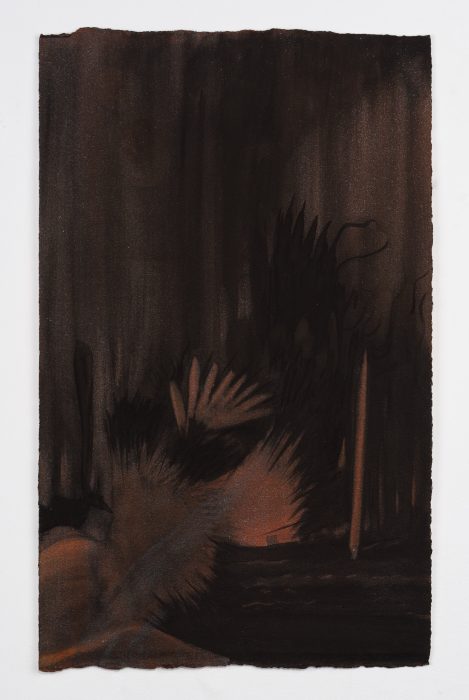
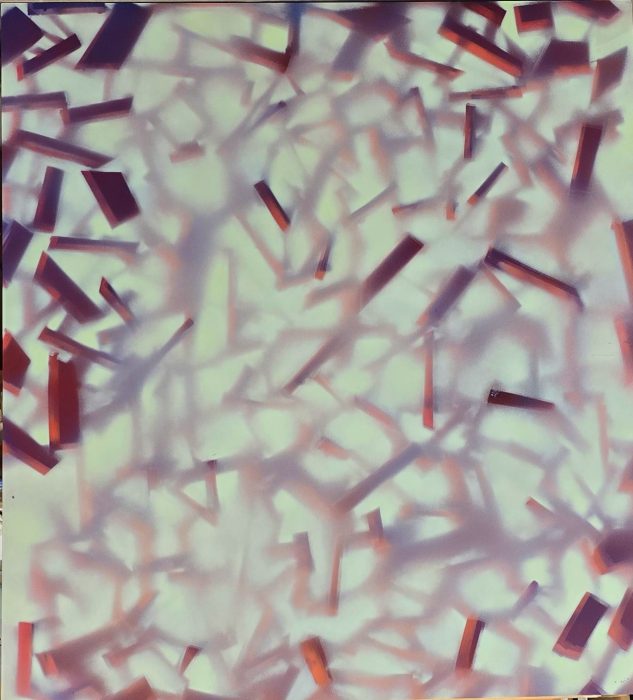
Alexandra Zuckerman, Scarlet Red, 2024, soft pastel on paper 102 × 72 cm
Joshua Borkovsky, Dream Stones 25, Oil on wood, 40 × 40 cm
 Joshua Borkovsky, Echo and Narcissus (Dyptich), 2020 Distemper on gesso on wood 81.5 × 70 cm
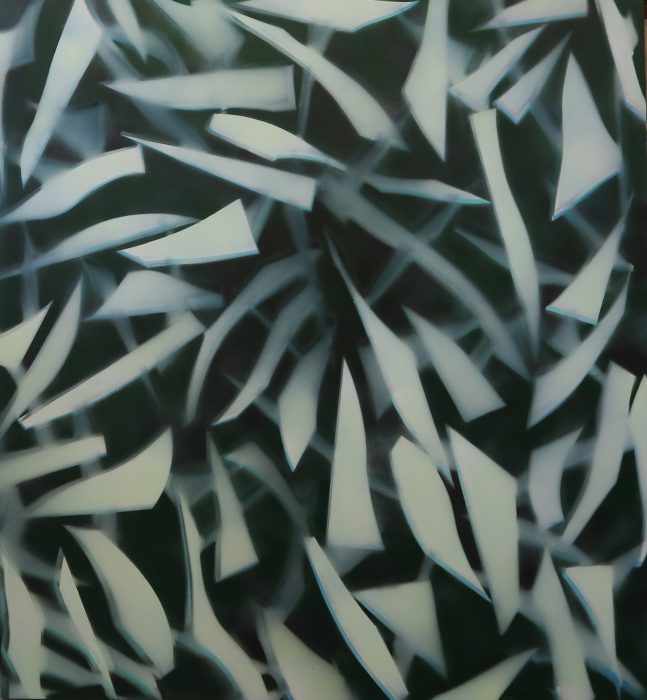
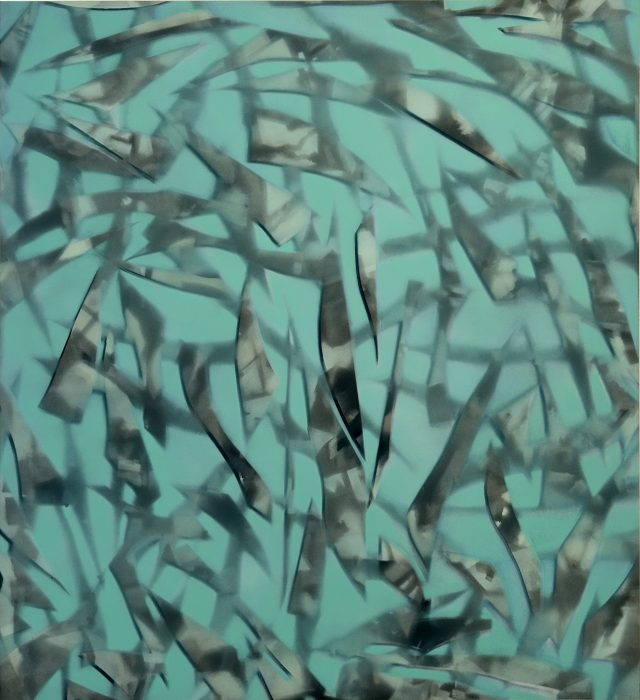
Yitzhak Livneh, The Invention of Photography 8, 2012, Oil on canvas 100 × 100 cm
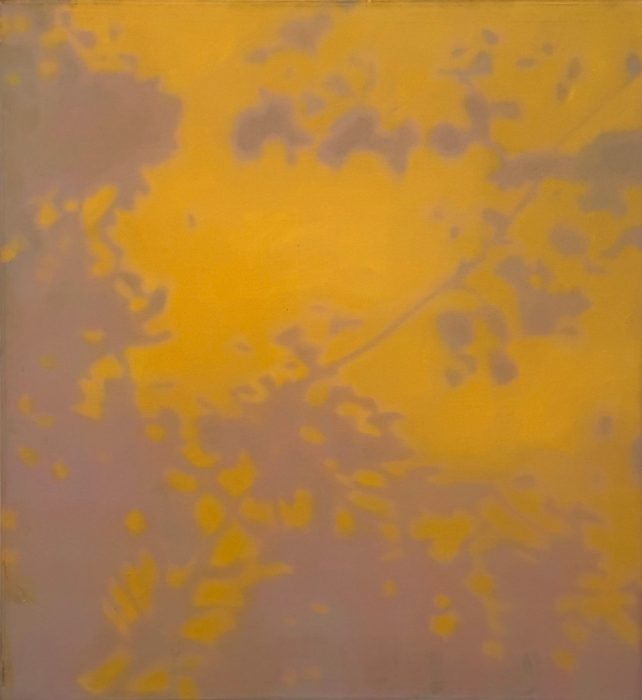
Yitzhak Livneh, Adonis, 2011,Oil on canvas, 100 × 90 cm
Mosh Kashi, Blue Spectrum #3, 2019 Oil on canvas 60 × 40 cm
Maayan Elyakim, Pineal Gland, 2010 archival inkjet print on cotton rag paper 180 × 120 cm
Maayan Elyakim, Untitled (Ha'levana), 2018 screen print, offset print, foil emboss and pencil on black paper in artist frame 47 × 35 cm
Maayan Elyakim, Untitled (Kiss), 2017 Archival Pigment Print 34 × 23 cm
Talia Keinan, Untitled (Moths), 2020 Mixed Media on paper 49 × 48.5 cm
Carlos Amorales, Bird Woman Family, 2010, Oil on wood 50 × 38 cm
Eti Jacobi Lelior, The Blue Bambi 2, 2023, Acrylic on canvas, 100×100 cm
Lea Avital, Eye, 2014, Mixed Media, 41 × 45 cm
Yonatan Zofy, Rock, 2023 Pin holes on paper 31 × 42 cm
Rachel Rabinovich, Untitled, 2022 Acrylic and gouache on paper 45 × 25 cm
Rachel Rabinovich, Erut Layla, 2022 oil and pencil on wood 60 × 52 cm

Carlos Amorales · Lea Avital · Joshua Borkovsky · Itzhak Livneh · Maayan Elyakim · Eti Jacobi Lelior

Mosh Kashi · Talia Keinan · Rachel Rabinovich · Yonatan Zofy · Alexandra Zuckerman


The painting presents the “outward appearance of the self-centered inner life” *

The monochromatic painting, reduced in colour, tending towards abstract minimalism is the symbol of material erasure and spirituality. it allows a deeper reflection and an inward observation.

For the exhibition, single coloured works in a variety of tonal shades were chosen. most of them are in lack of an image, or it may appear hidden or disguised.

Although each of the participating artists works in a different method, the reduction of means offers a quiet, focused uniformity, free of noise, converging into silence.


* “The Western System of the Arts”, P.O Kristeller • M. Barash
The Western System of the Arts, (D) p. 88

Waiting for the Barbarians

Waiting for the Barbarians / Yitzhak Livneh

opening: 25/10/2024   closing: 30/11/2024

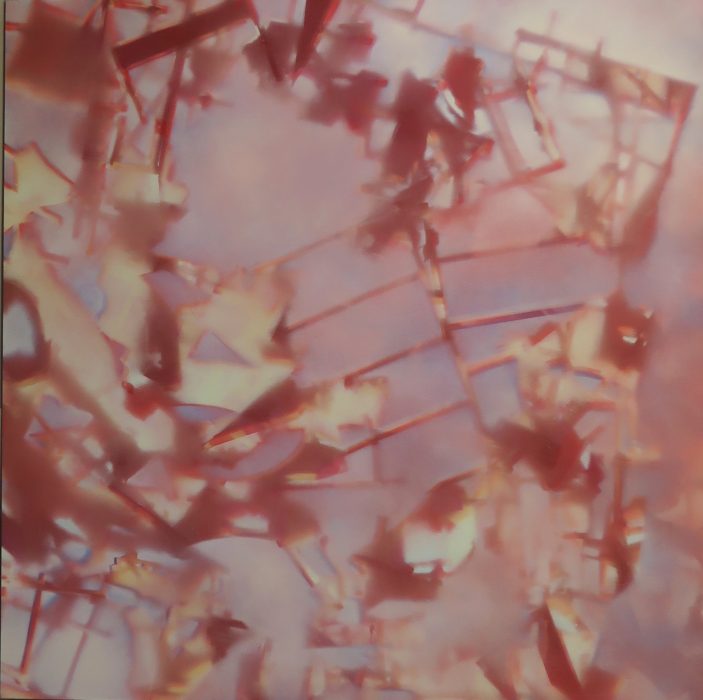
Untitled, mixed technique on debond, 110*120cm, 2024
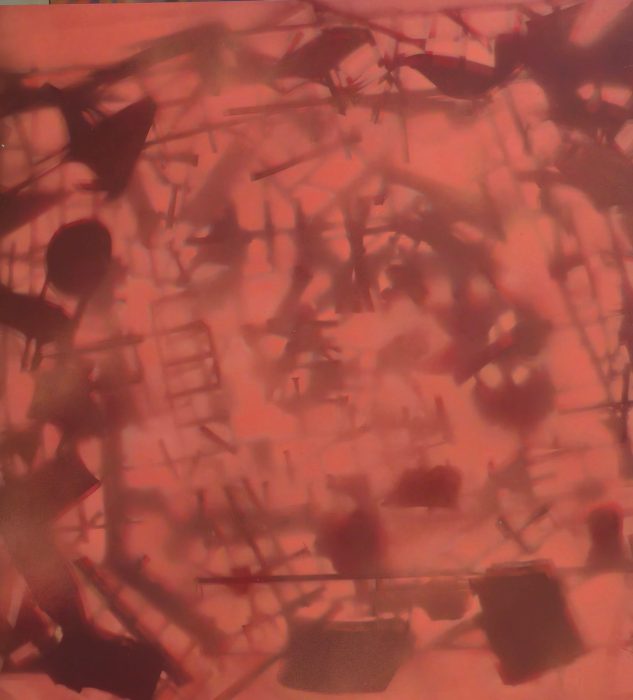
Untitled, mixed technique on debond, 110*100cm, 2024
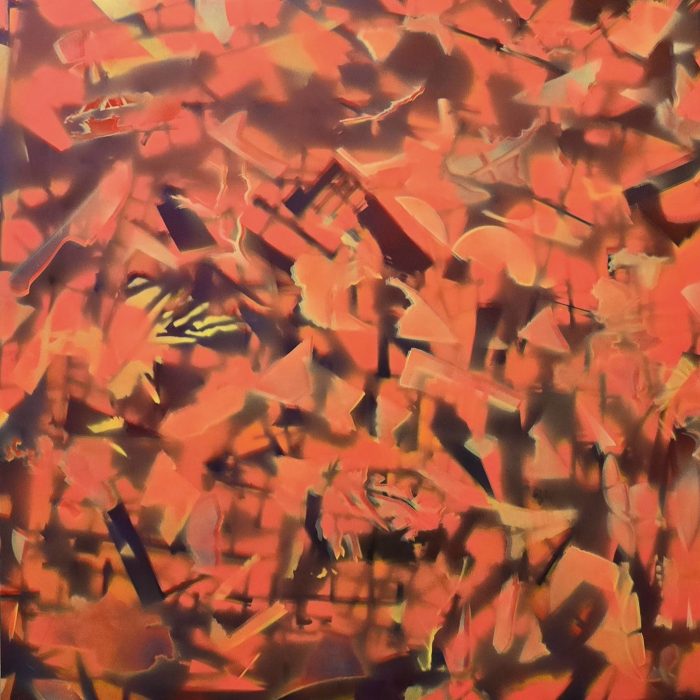
Untitled, mixed technique on debond, 100*110cm, 2024
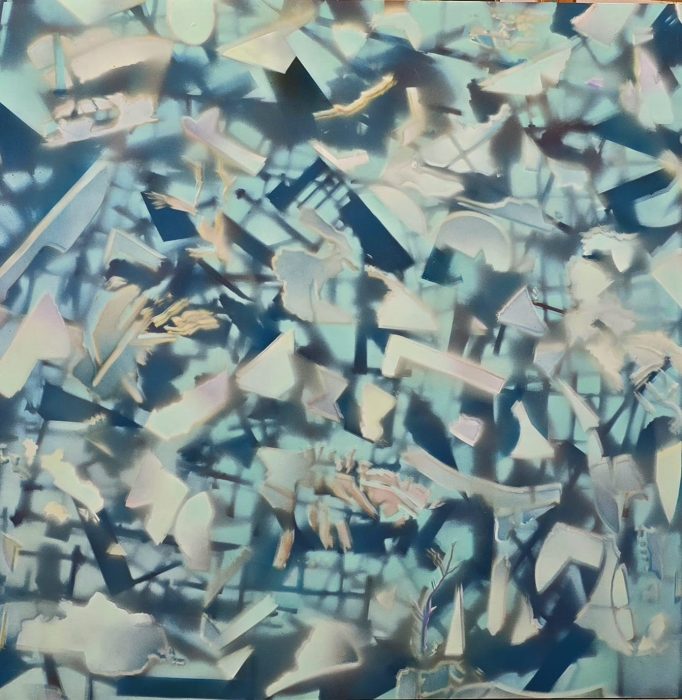
Untitled, mixed technique on debond, 100*100cm, 2024
exhibition photography by Lena Gomon

Yitzhak Livneh

Waiting for the Barbarians


The exhibition takes its name from the title of C. P. Cavafy’s famous poem “Waiting for the Barbarians,” which opens with the lines:

“What are we waiting for, assembled in the forum?

The barbarians are due here today.”


The exhibition features a group of paintings that at first glance seem to depict the back of a painting. In fact, they show the front side of a painting that was the target of a deliberate act of vandalism, in which most of the painting was cut out with an exacto knife and removed. The edges of the painting are still attached to the stretcher. The removal of the center of the painting exposes the stretcher, the cross bars that support it, and the white wall on which the painting was hanging.

Typically, the motivation for vandalizing paintings is ideological, whether political or religious. But painters also do this when they give up on a painting that did not turn out well. Art thieves who steal paintings from museums also cut the paintings along their edges, roll them up, and quickly leave the scene.

The act of destroying a painting is primarily symbolic. Its aftermath is first and foremost an unbearable sight. For this reason, in recent years various protest organizations have staged art vandalism spectacles. It seems that vandalizing masterpieces is the simplest and most effective way to harm and challenge Western culture. The vandalizing protestors gain media attention and perhaps also a platform for their claims and demands.

Early on in his career, Yitzhak Livneh used to work in a restoration studio, where he specialized, among others, in repairing tears in paintings until the damage became completely undetectable.


Yitzhak Livneh

October 2024

Something Befell

something befell / yitzhak livneh

opening: 24/10/2025   closing: 07/12/2025

Yitzhak Livneh, Little Window, 2025 Synthetic color on dibond, 120 × 110 cm
Yitzhak Livneh, Barocco, 2025 Synthetic color on dibond 110 × 110 cm
 Yitzhak Livneh, Knife, 2025 Synthetic color on dibond, 122 × 122 cm
Yitzhak Livneh, Red Monochrome, 2025 Synthetic color on dibond, 110 × 100 cm
Yitzhak Livneh, Car and Knife, 2025, Synthetic color on dibond, 122 × 122 cm
Yitzhak Livneh, Bad Storm, 2025, Synthetic color on dibond, 120 × 110 cm
Yitzhak Livneh, The Fall, 2025, Synthetic color on dibond, 120 × 110 cm

Yitzhak Livneh’s previous exhibition at Noga Gallery, “Waiting for the Barbarians,” held about a year and a half ago, dealt with depictions of ripped paintings. His current exhibition, “Something Befell,” is an additional link in his multi-year interest with depictions of destruction and ruins. The paintings depict states of crushing and crumbling, yet they are not landscapes of ruins viewed from a distant point.

The paintings in “Something Befell” lack a point of view and there is no distance or defined horizon line. There’s no distance between the viewer and the ruin – a state that no longer allows for a safe standpoint from which to contemplate the ruin and reflect on history or the fate of empires.


The exhibition opens alongside the launch of the third volume in the “Golden Notebook” series, published by the Bezalel Department of Fine Arts in collaboration with Asia Publishers. The series is a gesture of appreciation and recognition by the department toward artists of significant influence within the local art scene, and on the spirit and philosophy of art education – a field in which Yitzhak Livneh has played a major and central role. Livneh was one of the leading and most prominent lecturers in the Fine Arts Department for almost four decades.