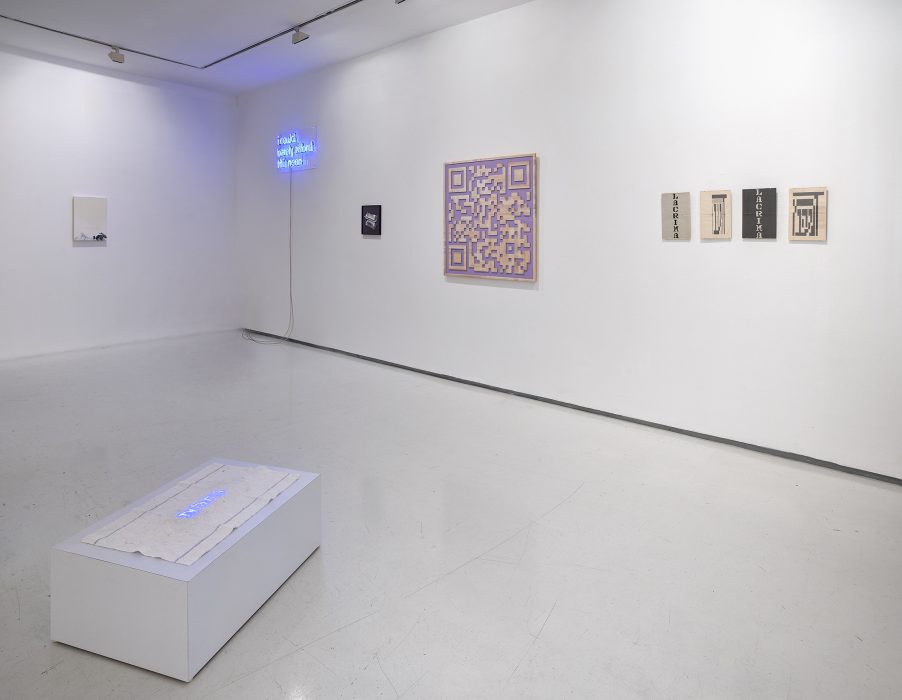
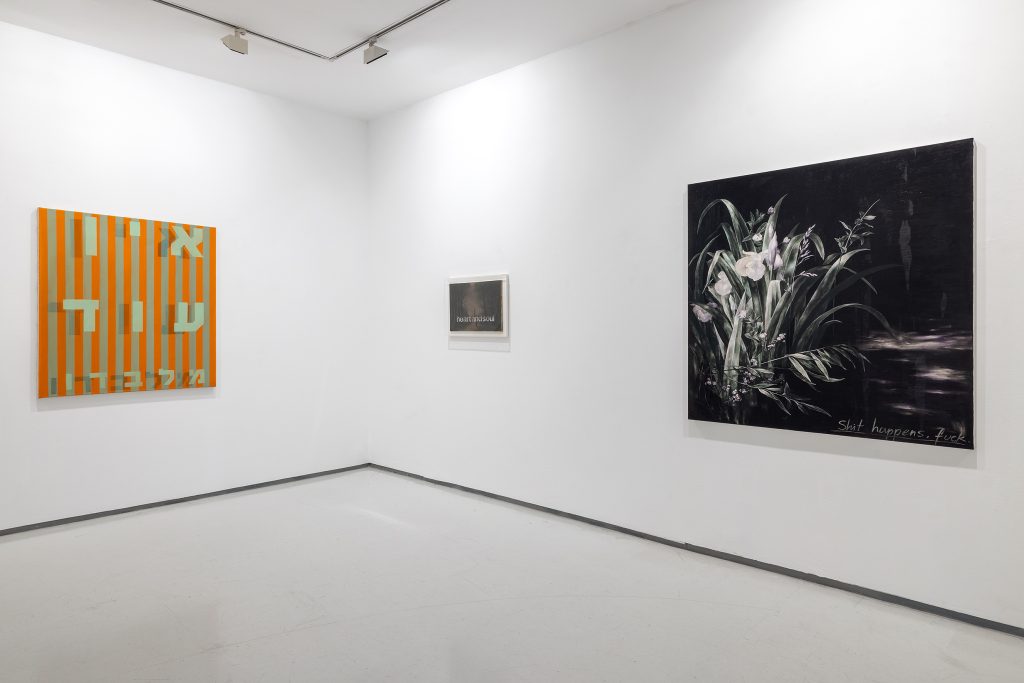
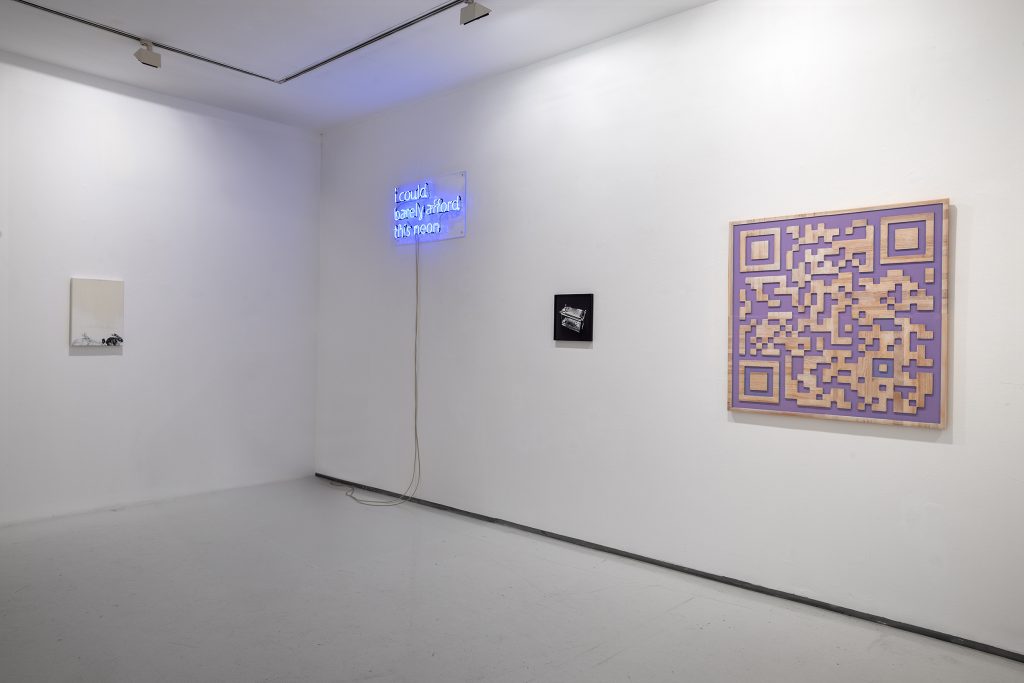
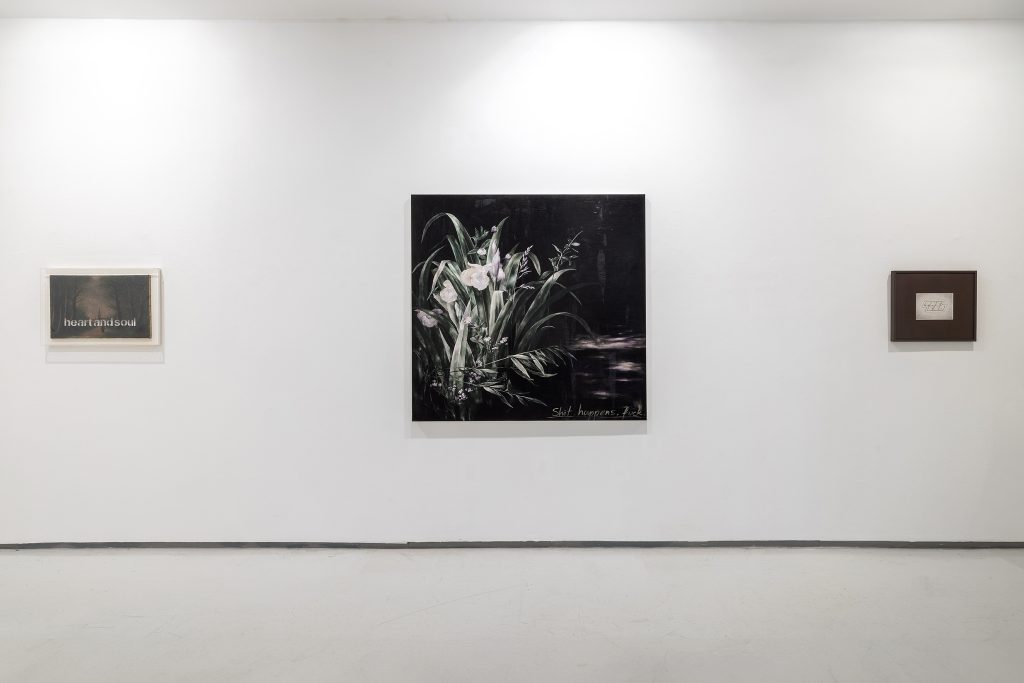
Gallery Collection Sale
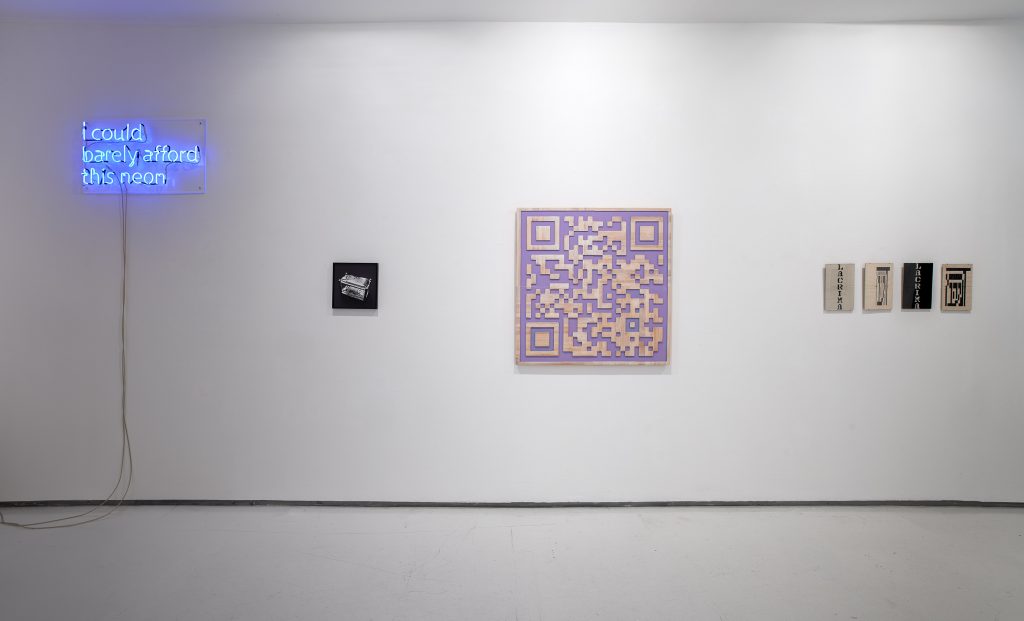
Special Sale from the Gallery Collection
Opening: 17/07/2020 Closing: 31/07/2020
Opening Days:
Wed-Thu 12:00-18:00
Fri-Sat 11:00-13:00
*Other days by appointment only
Opening Days:
Wed-Thu 12:00-18:00
Fri-Sat 11:00-13:00
*Other days by appointment only
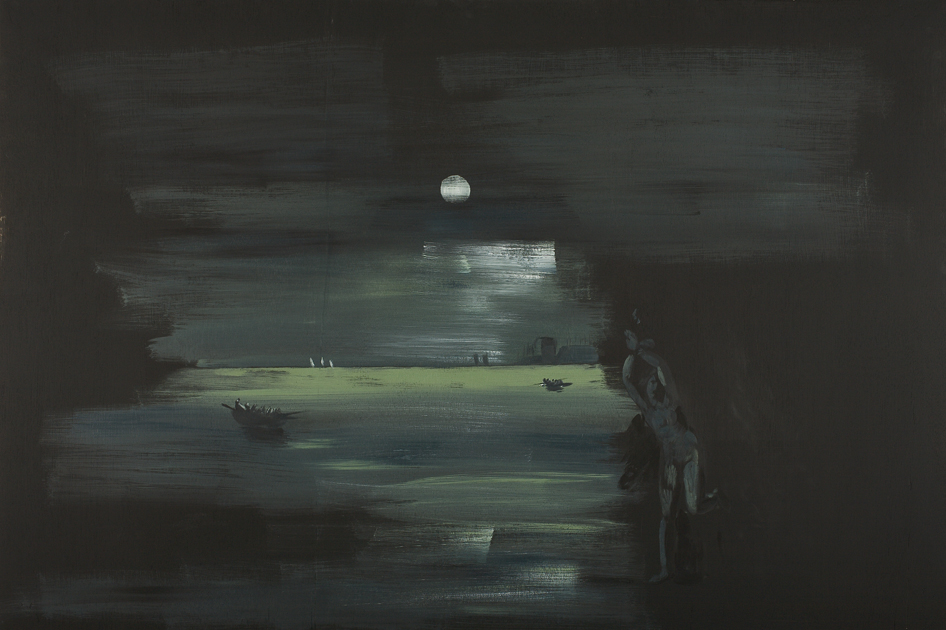
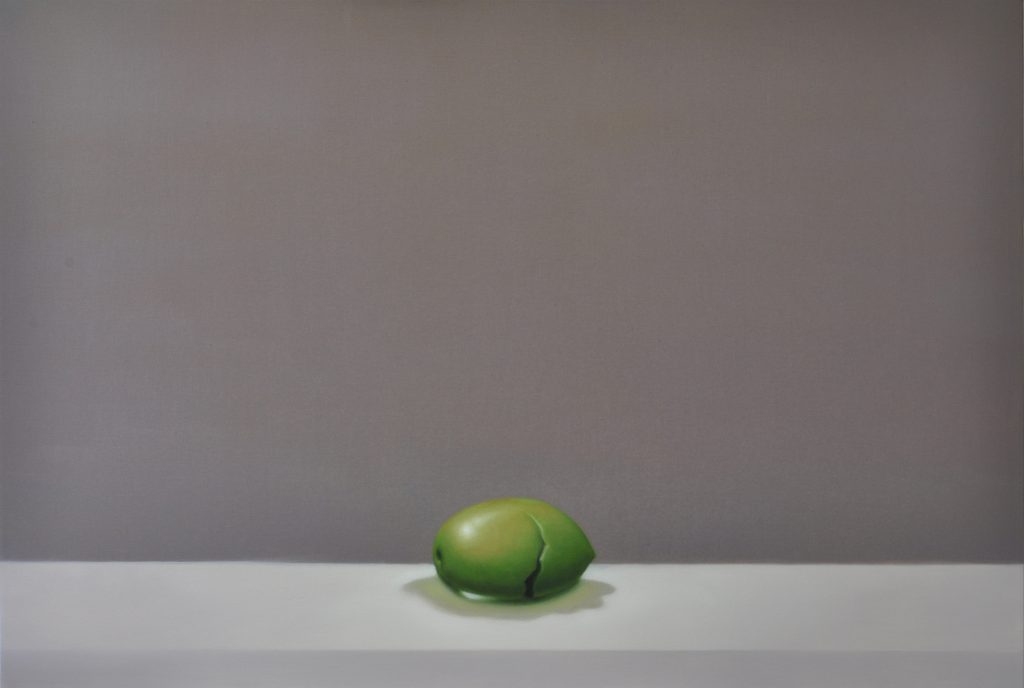
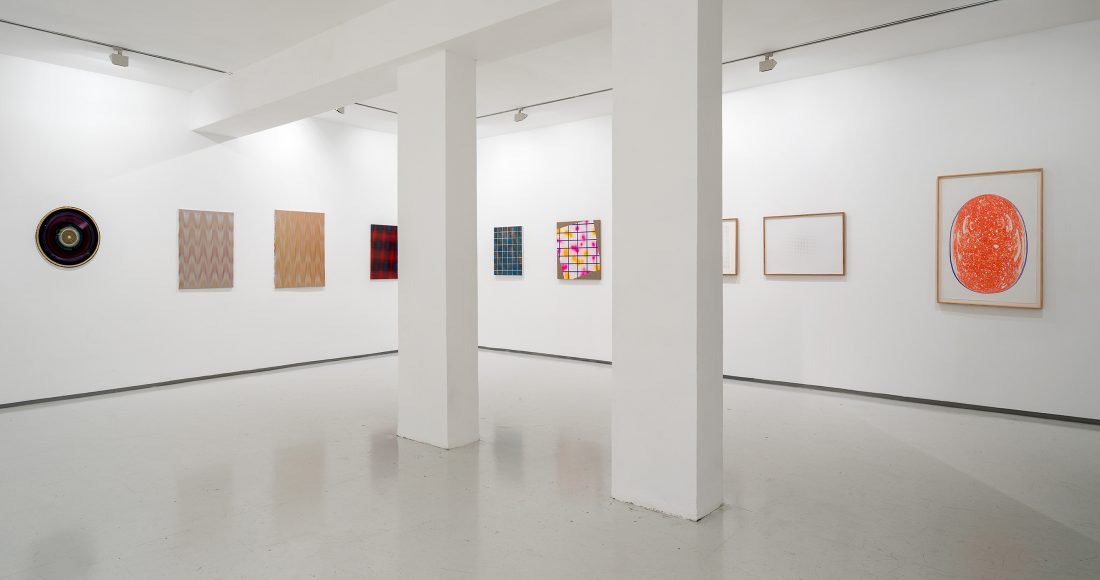
Joshua Borkovsky | Miriam Cabessa | Maayan Elyakim | Gabriel Klasmer | Jossef Krispel | Itzhak Livneh | Gil Marco Shani | Yonatan Zofy
Curator: Itzhak Livneh
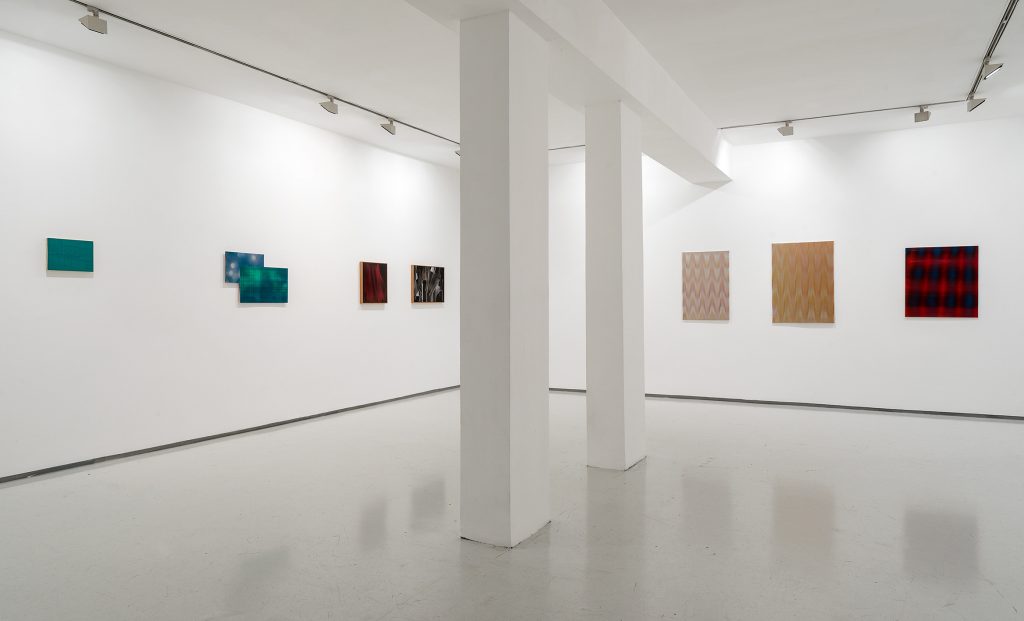
The Invention of Painting | Group exhibition at Noga Gallery of Contemporary Art | December 2021
The exhibition title is taken from a common theme in 18 th century painting – that of the Corinthian
maiden Butades tracing her lover’s shadow on the wall, as he prepares to go to war. These paintings
follow a 2 nd century story by Pliny the Elder’s about the invention of painting by a young woman, the
daughter of a potter, whose predicament and ingenuity have made her the inventor of painting.
The exhibition The Invention of Painting wishes to show how painters invent, each in his or her own
way, the art of painting and do not accept painting as a “natural” and conventional universal method,
one that they simply have to learn and master, in a more or less distinct way than others.
Like any myth, Pliny the Elder’s myth of the origin of painting does not claim to be, nor can it be,
historically accurate. We know that cave paintings significantly predate ancient Greece. Butades’s
invention offers something else: It provides an urgent answer to a unique situation, one that centers on
love, parting, and looming death. We can assume that under different circumstances, a different
manner of painting would have been invented.
Unlike the manner of painting invented by Butades, which was ingenious but technically simple, the
painters featured in this exhibition are characterized by an invention of painting that does not reveal the
technique or traces of its making. The absence of any trace of the painting instrument is not new.
Already in 17 th Flemish art, some painters worked in a way that made it impossible to understand how
their paintings were made just by looking at them. This painting style evolved from the desire to achieve
radical naturalism. The world is not comprised of brushstrokes, and neither should its depiction. With
the invention of photography, efforts of this kind shifted from naturalism to photorealism: Painting that
emulates the photographic image. Conversely, most schools and styles of Modern painting championed
a focus on the traces left by the painting instruments and wished to expose the painting’s underlying
mechanisms. Since then, it seems that anyone can paint. Even my kid.
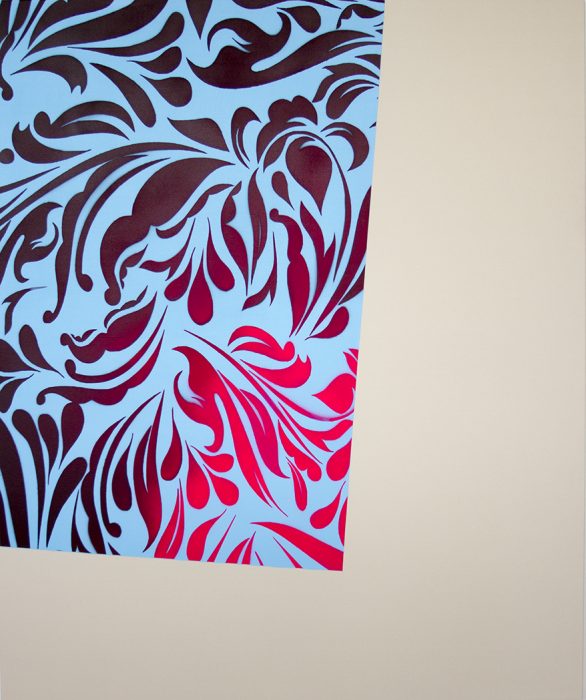
The exhibition The Invention of Painting features paintings that foil attempts to decipher how they
were made. Their making remains a mystery to the viewer, who while looking at them, struggles or fails
completely to “recreate” how they were made in his or her mind. The paintings are imbued with the
magic of enigma and mystery that seem to have been lost. Painting is essentially a traditional craft, but
nevertheless, one that can be invented again and again. The need for the invention of painting at this
time is more urgent than ever.
Zeev Engelmayer / Moran Kliger / Tessy Cohen / Yoray Liberman / Adi Brande / David Ginton / Erez Harodi / Jossef Krispel / Itzhak Livne / Moshe Gershuni / Tama Goren / Tamar Lev-On / Yair Palti / Einat Arif Galanti / Ido Bar-El / Belu Simion Fainaru / Maya Shimony / Dafna Kaffeman / Tsibi Geva / Amikam Toren
–
…”Like a tightrope walker who suddenly looks at his shoes, and then at the abyss, we are becoming increasingly aware of the fragility of our existence here; of the sense that the ground is falling out from beneath our feet. Suddenly, nothing can be taken for granted. Not the camaraderie, not the spirit of sacrifice, not the “people’s army,” not the mutual responsibility, nothing. Before our horrified eyes, the one-of-a-kind state that was created here is being emptied of fundamental components of its character, of its specialness, its uniqueness”…
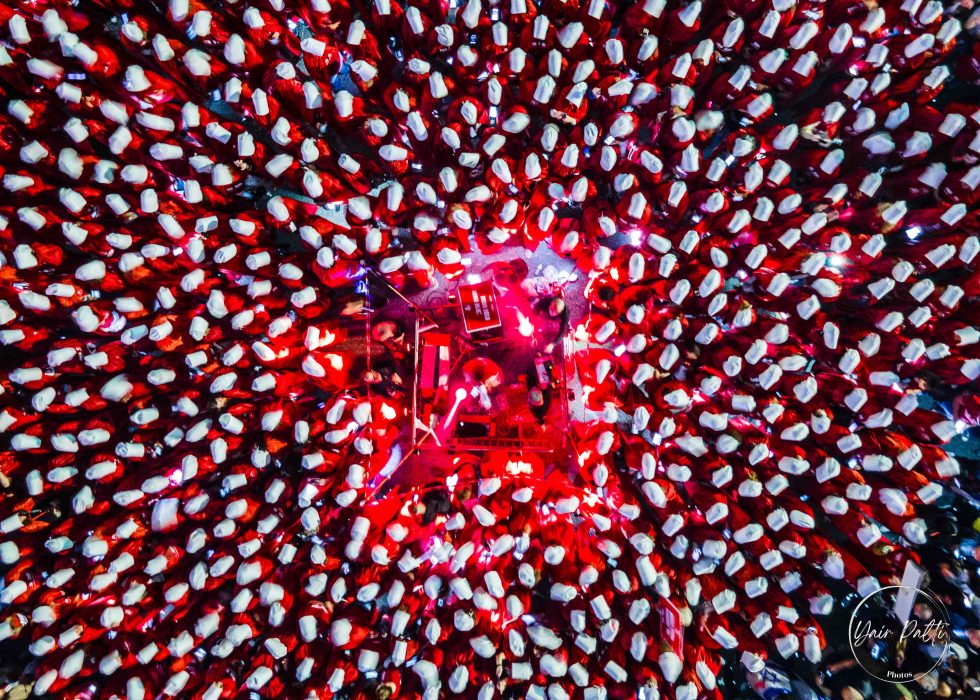
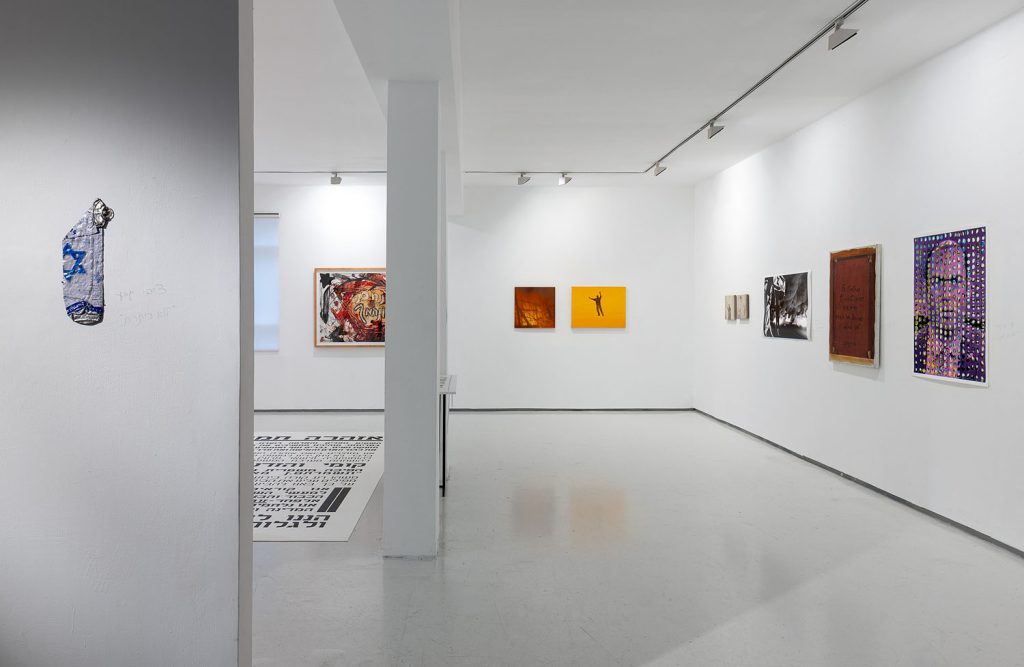
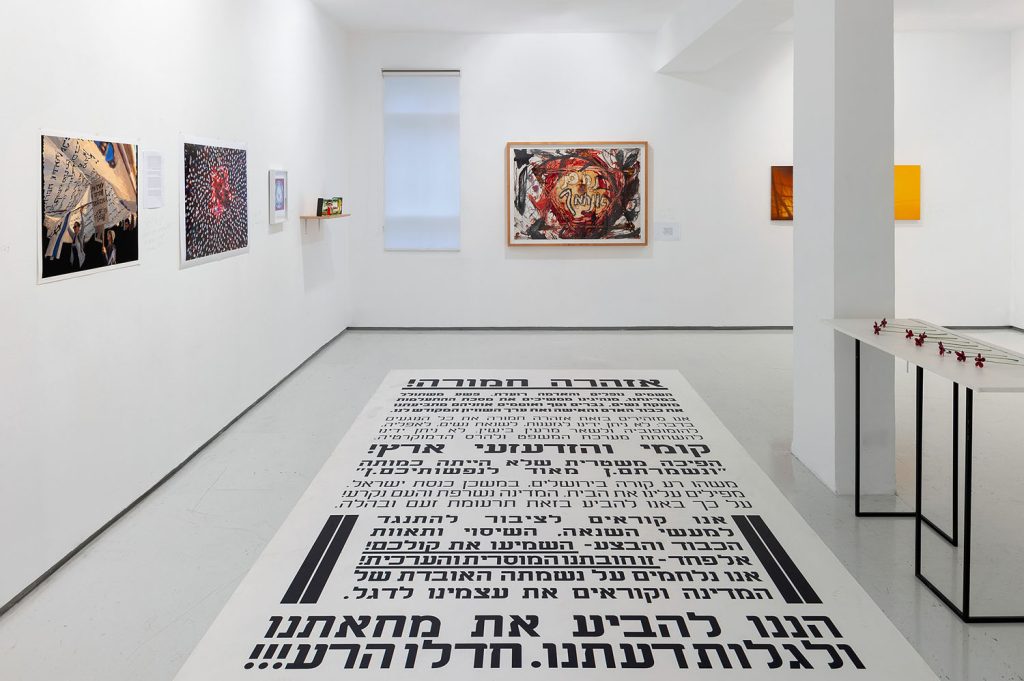
The exhibition about the Protest / “Juridical Coup” was formulated in Kaplan on one of the Shabbat evenings of the month of Tammuz. The heartbreak, the rift between families and friends, between the different tribes, and the recognition that the State of Israel is already in the abyss, alongside with the empowerment we experience together in the demonstrations, caused a sense of urgency that requires action, here and now.
This exhibition was curated in order to bring to the surface the voices of artists who reacted and are reacting to the current situation in Israel.
Nachami Gottlib
Carlos Amorales · Lea Avital · Joshua Borkovsky · Itzhak Livneh · Maayan Elyakim · Eti Jacobi Lelior
Mosh Kashi · Talia Keinan · Rachel Rabinovich · Yonatan Zofy · Alexandra Zuckerman
The painting presents the “outward appearance of the self-centered inner life” *
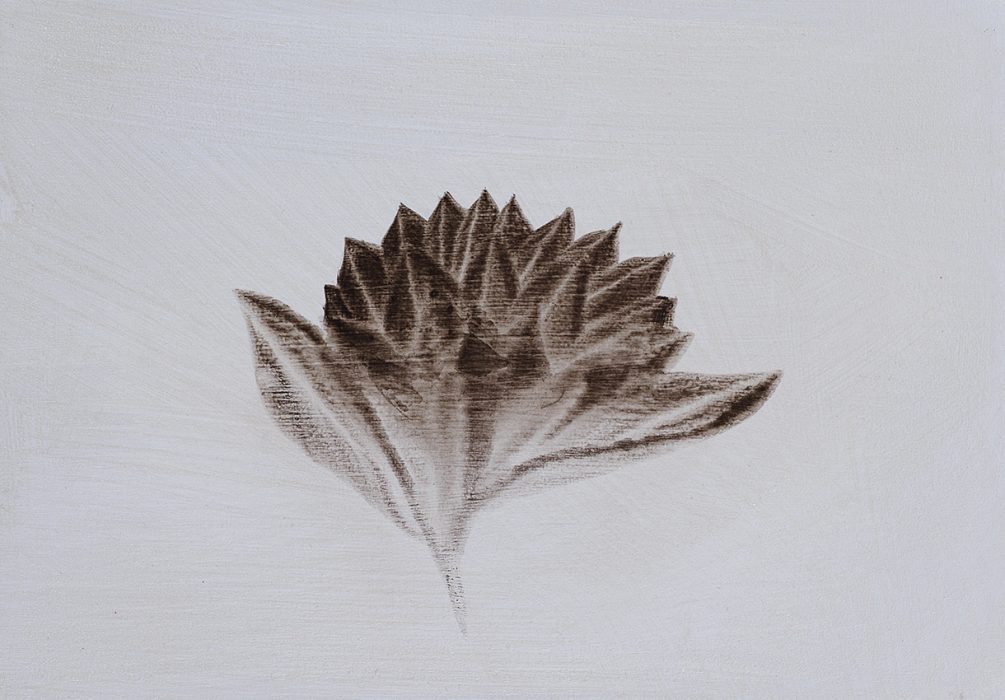
The monochromatic painting, reduced in colour, tending towards abstract minimalism is the symbol of material erasure and spirituality. it allows a deeper reflection and an inward observation.
For the exhibition, single coloured works in a variety of tonal shades were chosen. most of them are in lack of an image, or it may appear hidden or disguised.
Although each of the participating artists works in a different method, the reduction of means offers a quiet, focused uniformity, free of noise, converging into silence.
* “The Western System of the Arts”, P.O Kristeller • M. Barash
The Western System of the Arts, (D) p. 88
Uri Ben Natan, Anat Betzer, Joshua Borkovsky
Liam Chambon, Karen Dolev, Yitzhak Livne
Michal Naaman, Amikam Toren, Guy Zagursky
What do we say when words run out? The exhibition No Words holds a poetic irony: just when it seems that silence speaks for itself, words sink in. They are present in every work – inscribed, engraved, floating, vanishing and reappearing. In this space, the word is not merely a vessel of meaning but also a visual form, a material, a sign.
No Words operates precisely out of the contradiction it declares. Not only are there words – they shout, or whisper. The word becomes a layered, multifaceted object.
It is a raw material – formal, emotional, cultural, political, personal, and even humorous.
Alongside established gallery artists, we felt it was important to include young voices – emerging artists who are taking their first steps in the local, contemporary art scene.
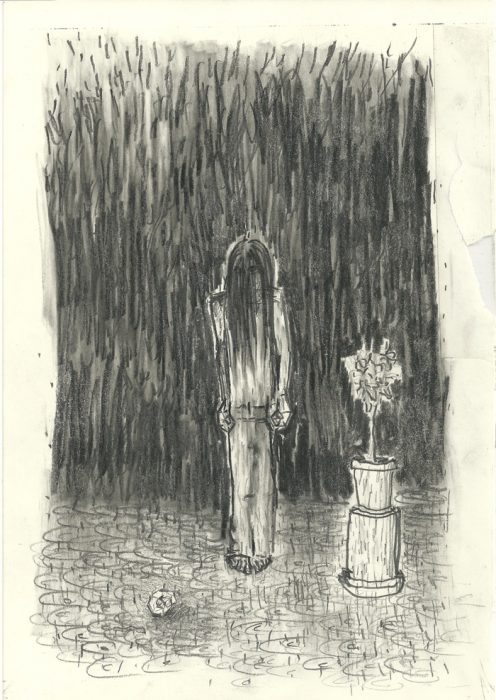
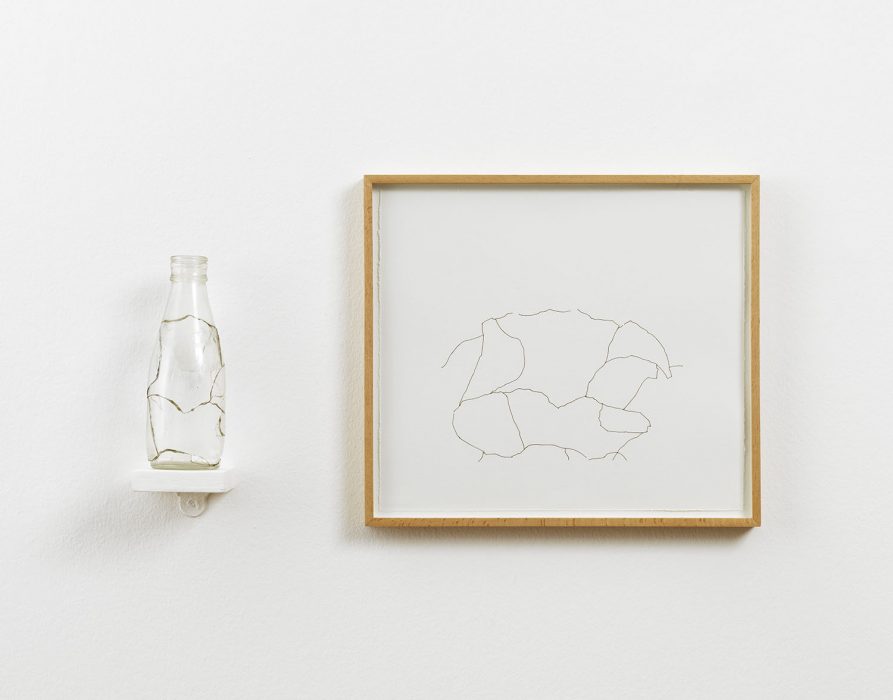
Group exhibition by the gallery artists- Drawings
Artists participating: Lea Avital, Nogha Engler, Michael Halak, Shahar Yahalom, Orly Maiberg, Hilla Toony Navok, Alexandra Zuckerman, Talia Keinan, Jossef Krispel and Keren Cytter.
Group Exhibition: Gilad Efrat | Ori Gersht | Dror Daum | Marilou Levin | Tal Mazliach | Jossef Krispel | Elinor Carucci | Amikam Toren | Talia Keinan | Alexandra Zuckerman
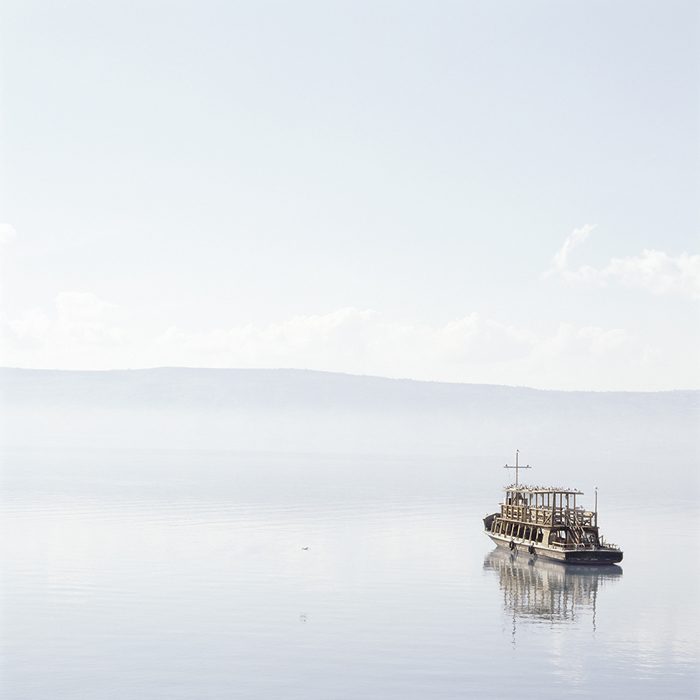
The exhibition “Journey in the Fog” comprises images in which reality and hallucination mix with one another. Each piece hold a part of the journey’s complexity. The images are restrained and reserved, possessing a quiet inner force, some are shrouded in fog that traps them. Wishing to find meaning and a foothold in enigmatic landscapes that hold a hidden drama, whose presence is nevertheless palpable in every image. The journey itself is a symbolic one into the unknown and the unfamiliar, in which the epic and intimate, harshness and tenderness are intertwined.
Noga Gallery marks 25 years of fascinating and challenging activity with the 22 gallery’s artists.
The core of Noga Gallery’s activity and essence has always been presenting Israeli artists, with a focus on emerging women artists, and promoting them in Israel and abroad, as well as exposing the local audience to international artists. The mission of presenting groundbreaking artists whose art combines a range of techniques and controversial themes has been a guiding light for us throughout the years. From the early days of the gallery there was an emphasis on creating an emotional and intellectual aesthetic experience, one that stimulates and undermines issues and sharpens our perception of the world. The gallery maintains a diverse and substantial exhibition program and supports emerging artists as well as artists in the more advanced stages of their career.
***
Noga Contemporary Art Gallery opened in 1994 on 34 Dizengoff Street, Tel Aviv, after a two-and-a-half-year activity from a private house in Herzliya. It was founded by Nechami Gottlib, and with the move to Tel Aviv, Adina Alshech joined the gallery’s management. In 2002 it moved to its current location on 60 Ahad Ha’am street.
The inaugural show in 1994 was accompanied by a special exhibition of 12 billboards on the façade of Habima Theatre and a catalogue. The exhibition was divided into two installments and featured works by the artists Smadar Eliasaf, Tamara Messel, Irit Hemo, Rivka Potchebutzky, Belu Simion Fainaru, Orly Maiberg, Hadar Maor Dgani, Nurit Avidov, Morel Derfler, Michal Heiman, Tito Leguisamo, and Max Friedman.
In its early years, the gallery presented solo shows by Irit Hemo, Tal Mazliach, Galit Eilat and Max Friedman, Smadar Eliasaf, Joshua Neustein, David Ginaton, Marilu Levin, Michal Heiman, Hila Lulu Lin, Nir Hod, Yehudit Sasportas, Miriam Cabessa, Larry Abramson, Orly Maiberg, Mosh Kashi and others. For many of these artists this was their first solo show.
The gallery was ahead of its time and held exhibitions that pushed the envelope, such as Max Friedman and Galit Eilat’s installation that simulated a bordello in the gallery, the work of Hila Lulu Lin who presented a giant nude photograph, Nicole Eisenman’s installation that included a large mural, the works of Talia Keinan that combine drawing and video, Keren Cytter’s provocative films, as well as the display of photography and video works, which was rather rare in the early 1990s and the display of distinctly noncommercial bodies of work. We were the first to exhibit the students of Israel Hershberg’s Jerusalem Studio School in Israel, among them Aram Gershuni, David Nipo, Eldad Farber, and more. This pluralism, which nowadays sounds natural, did not exist in the artistic climate of those years.
The gallery organized and produced a large benefit event whose proceeds were dedicated to Meira Shemesh z”l who needed a heart transplant, but by the time a heart was found it was too late.
The international artist Ori Gersht had his first solo exhibition at Noga Gallery, from which his career catapulted to worldwide recognition.
In 2000 the gallery was invited by the British Council to curate a show of young British artists. The exhibition, curated by Nechami Gottlib, was on view concurrently at Herzliya Museum of Contemporary Art while Noga Gallery featured works by Sam Taylor-Wood, Sarah Lucas, Sarah Jones, Gillian Wearing, and Mat Collishaw – some of the leading artists of the YBA group.
With the move to the space on Ahad Ha’am Street we opened a special projects room, which allowed artists who are not in the gallery’s roster to present unique projects and installations for over a decade. Another expansion was made possible by using the gallery’s display window facing the street for performances and various installations.
The gallery’s artists have had solo exhibitions and participated in group shows in leading Israeli and international museums and art events, such as the Venice Biennale, Tate Modern and Tate Britain in London, the Guggenheim and the Whitney Museum in New York, Pompidou Center in Paris, Hamburger Banhof in Berlin and more. Their works are included in leading museum, public, and private collections in Israel and around the world. Many have won awards from museums as well as the ministry of culture and sports.
The international artists who exhibited at the gallery include Nicole Eisenman, a San Francisco based artists group, a group of Cuban artists, Felipe Cezar, Gillian Wearing, Sarah Lucas, Kara Walker, Shahzia Sikander, Kader Attia. The artists Nicole Eisenman and Kader Attia, who were invited to show at the gallery in the early stages of their careers, have since gone on to gain wide acclaim, win prestigious awards, and show their works at the world’s leading museums.
The gallery participated and continues to participate in the world’s leading art fairs such as Art Basel, Art Basel Miami, FIAC Paris, Art Forum Berlin, the Armory Show in New York and more.
And on a personal note, art makes us happy, it makes us think, and challenges us.
We came to art with love and with love we will go on.
Bathing Season
Participating Artists:
Lea Avital
Eti Jacobi
Orit Raff
Shirley Shor
Shahar Yahalom
Natalia Zourabova
Alexandra Zuckerman
At the end of the bathing season “there is a suffocating smell from afar”. Does Tamuz (marking the beginning of the bathing season) hold a different promise? It seems that the works in the exhibition display a bit of both. An aura of pastorality and situations full of delight, pleasure and much beauty lingers over the pieces. Some works are accompanied by a breath of fresh air, of freedom and rejuvenation, yet at times also contain troublesome and threatening situations, hinting at danger.