December 26, 2020
In
Uncategorized





Carlos Amorales · Lea Avital · Joshua Borkovsky · Itzhak Livneh · Maayan Elyakim · Eti Jacobi Lelior
Mosh Kashi · Talia Keinan · Rachel Rabinovich · Yonatan Zofy · Alexandra Zuckerman
The painting presents the “outward appearance of the self-centered inner life” *
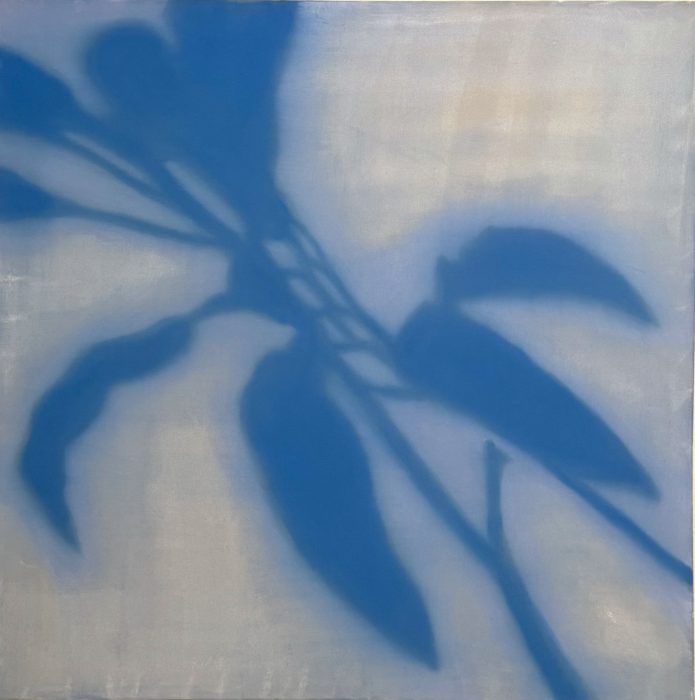
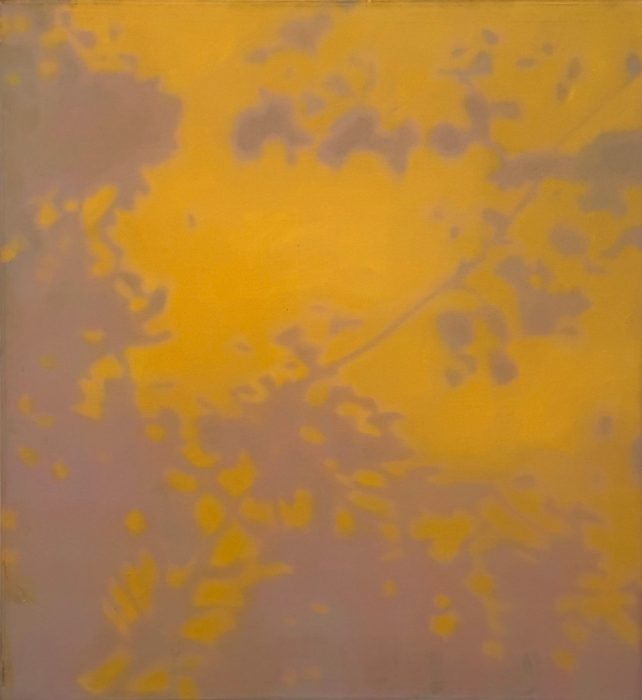
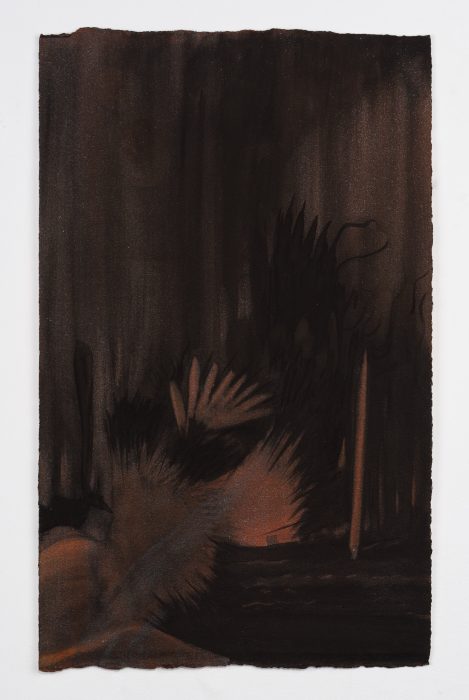
The monochromatic painting, reduced in colour, tending towards abstract minimalism is the symbol of material erasure and spirituality. it allows a deeper reflection and an inward observation.
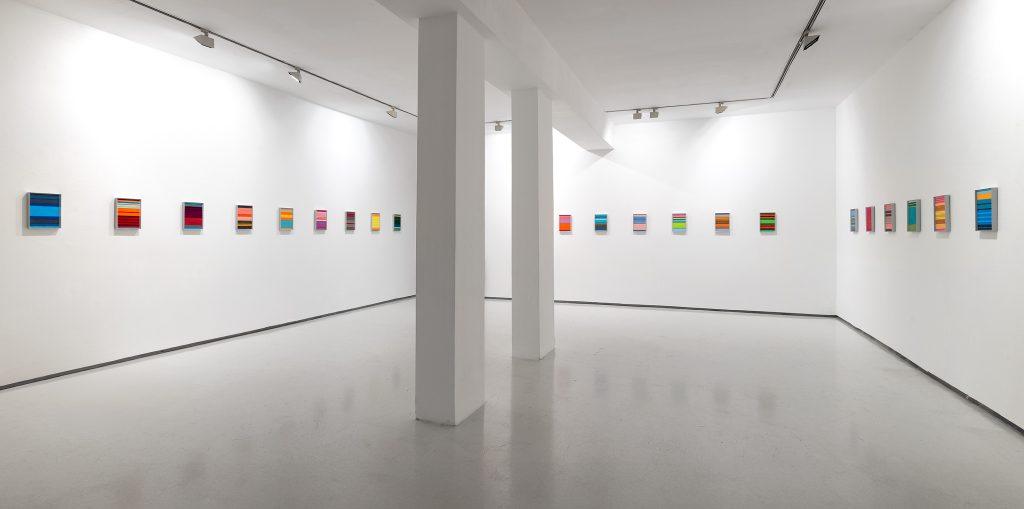
For the exhibition, single coloured works in a variety of tonal shades were chosen. most of them are in lack of an image, or it may appear hidden or disguised.
Although each of the participating artists works in a different method, the reduction of means offers a quiet, focused uniformity, free of noise, converging into silence.
* “The Western System of the Arts”, P.O Kristeller • M. Barash
The Western System of the Arts, (D) p. 88


Haim | Alexandra Zuckerman


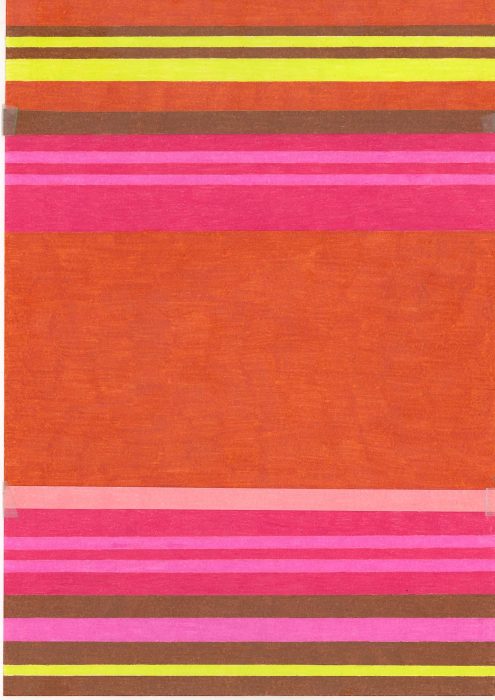




The work of Alexandra Zuckerman takes the language of drawing on paper as a way to reflect about inner connections between the field of fine art to that of applied arts and craft.
“Haim” is the title of a new body of work that Zuckerman has been developing over the past few months. It consists of drawings on A4 format paper (29.7 by 21 cm), meticulously created with colored pencils, covering the entire surface of the paper.
The stripes featured in the drawings are inspired by the arrangement of warp threads used in the weaving process. This series reflects her ongoing interest in design, textiles, and weaving, as well as their connection to modernism and abstraction seen from a feminine perspective.
The formal and chromatic choices made by the artist result in repetitive patterns, offering extensive opportunities for playfulness and creative freedom in composition, color schemes, and their combinations, while simultaneously conveying a unique sense of discipline.
The title of the series, haim [חַיִּים], is the Hebrew word for life and a male given name that used to be quite popular in Israel. In Hebrew life is always defined as plural – lives – and in this context the title embodies the repetition and plurality that is inherent in the works.
Alexandra Zuckerman (*1981, Moscow) lives and works in Tel Aviv. Her work was presented at Israel Museum, Jerusalem, Tel Aviv Museum of Art, Petah Tikva Museum of Art, MoBY – Museums of Bat Yam, Artist’s House in Jerusalem, kim? Contemporary Art Centre in Riga, Galeria Sabot in Cluj-Napoca, and Magasin III in Stockholm. This is her third solo exhibition at Noga Gallery for Contemporary Art.
Nicola Trezzi